The first question that many trekkers ask is the same. What is the difficulty of the Annapurna Circuit trek altitude? The straightforward response is easy. The height is serious, yet very manageable. With patience, steady pacing, and smart rest days, this journey becomes safer and far more rewarding.
This path starts in hot valleys that are below 1,000 meters. It later ascends to an altitude of over 5,000 meters into chilly thin air. It is that dramatic change that makes the circuit a memory. Every day is different. The landscape is constantly changing, and the body must adapt accordingly. Because of that, preparation matters as much as excitement.
The achievement of Thorong La Pass at 5,416 meters is an accomplishment many walkers are proud of. It is, too, the point which is most worthy of respect. Sleep can be light, steps are slower, and breathing is more difficult. All this does not imply failure. It simply means altitude is real.
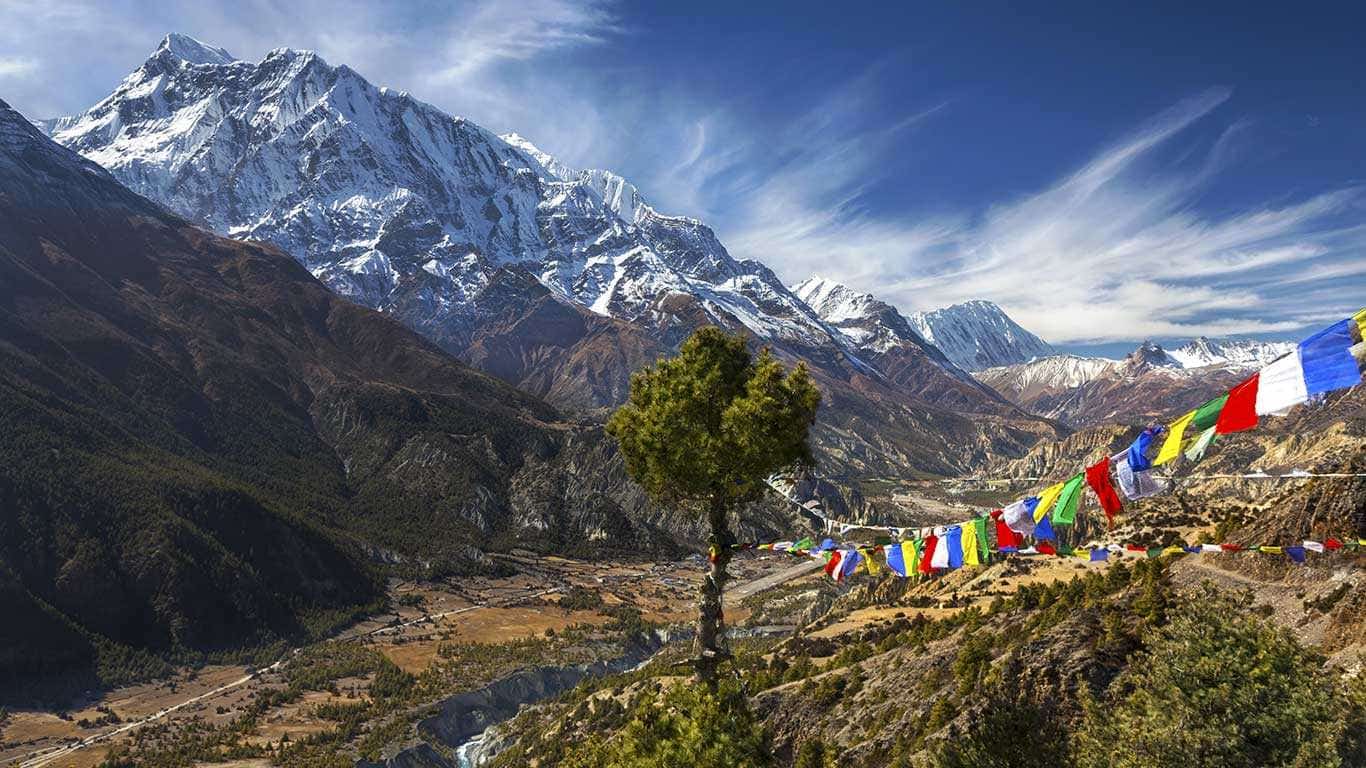
The altitude shifts on the Annapurna Circuit Trek by the day. You start low in hot valleys. Then into cooler woods you go. Then you get into a mountain country of thin air. And lastly, you sink into the arid territories of Mustang.
The landscape is continually evolving, which means that the body needs to evolve as well.
How to avoid AMS on the Annapurna Circuit routes is a question many trekkers pose. Advice from our team guides: Respect altitude more than distance. Stride leisurely, for impatience is punished. Dine before hunger strikes. Rest before fatigue develops. Patience wins here.
A lot of trekkers desire one thing first. A plain look at the trek altitude increase per day on the Annapurna Circuit. That helps the mind relax before the journey starts. Because once the pattern is understood, the trail feels less uncertain and more manageable.

This route does not climb in one jump. It ascends gradually with warm valleys to thin mountain air. Then it goes over lofty passes and plunges into Mustang. That steady pattern is what makes the Annapurna Circuit elevation profile so unique and so demanding at the same time.
Below is the full day-by-day altitude breakdown from our Himalayan Trekkers 14-day Annapurna Circuit Trek itinerary.
Annapurna Circuit Trek Altitude Table
Day | Route | Altitude | Elevation Gain |
2 | Sightseeing in Kathmandu | 1,350 m | 0 m |
3 | Drive to Syange | 1,100 m | -250 m |
4 | Trek to Tal / Karte | 1,700 m | +600 m |
5 | Trek to Chame | 2,630 m | +930 m |
6 | Trek to Pisang | 3,190 m | +560 m |
7 | Trek to Manang | 3,540 m | +350 m |
8 | Trek to Letdar | 4,250 m | +710 m |
9 | Trek to Thorong Phedi | 4,600 m | +350 m |
10 | Cross Thorong La Pass → stay Muktinath | 5,416 m → 3,800 m | +816 m (up) / -1,616 m (down) |
11 | Trek to Jomsom | 2,720 m | -1,080 m |
12 | Fly to Pokhara | 850 m | -1,870 m |
13 | Drive to Kathmandu | 1,350 m | +500 m |
Annapurna Circuit Trek day-by-day Altitude Breakdown
Day 2 – Kathmandu Exploration
We remain in the bowl-shaped Kathmandu Valley at 1350 meters. The altitude remains the same throughout the day and night. Kathmandu to Kathmandu = 0 meters gain or loss.
Since height does not change, air pressure remains constant. The level of oxygen remains adequate. Throughout the day, breathing is normal and relaxed. It is, but settling in, walking upon your heels, and giving the body a preliminary training before going up into loftier mountain regions.
Day 3 – Drive from Kathmandu to Syange
We start in Kathmandu at 1350 meters and then drop to Besisahar at 760 meters. Then we go up again to Syange at 1100 meters.
Kathmandu-Besisahar is a descent of 590 meters. Besisahar to Syange is a 340-meter ascent. At the end of the day, the net change in altitude is 250 meters.
This is road travel, so there is no altitude stress on the body. Oxygen is not weakened. Breathing stays easy. The only difference is the change in the landscape. The urban area gradually becomes submerged in the deep river valley. At lower elevations, the air seems warmer and gradually colder as we ascend to Syange.
Day 4 – Trek from Syange to Tal and Karte
We begin at Syange, 1100 meters, and trace the trail of the Marsyangdi Valley upwards. The road is through Jagat at an elevation of about 1300 meters and Chamje at around 1400 meters. It then proceeds to Tal and finally reaches Karte at 1700 meters.
The gain of syange to Jagat is about 200 meters. Jagat to Chamje is an addition of 100 meters. Chamje to Tal ascends approximately 300 meters higher, with a little gain on the last bit to Karte. The overall change in elevation is approximately 600 meters.
This is the first trekking day where rhythm starts to matter. The trail continues to go up and down along the river, and thus, the legs are in constant motion. Breathing still feels normal because the altitude is not high yet, but the body starts feeling steady fatigue from movement rather than air.
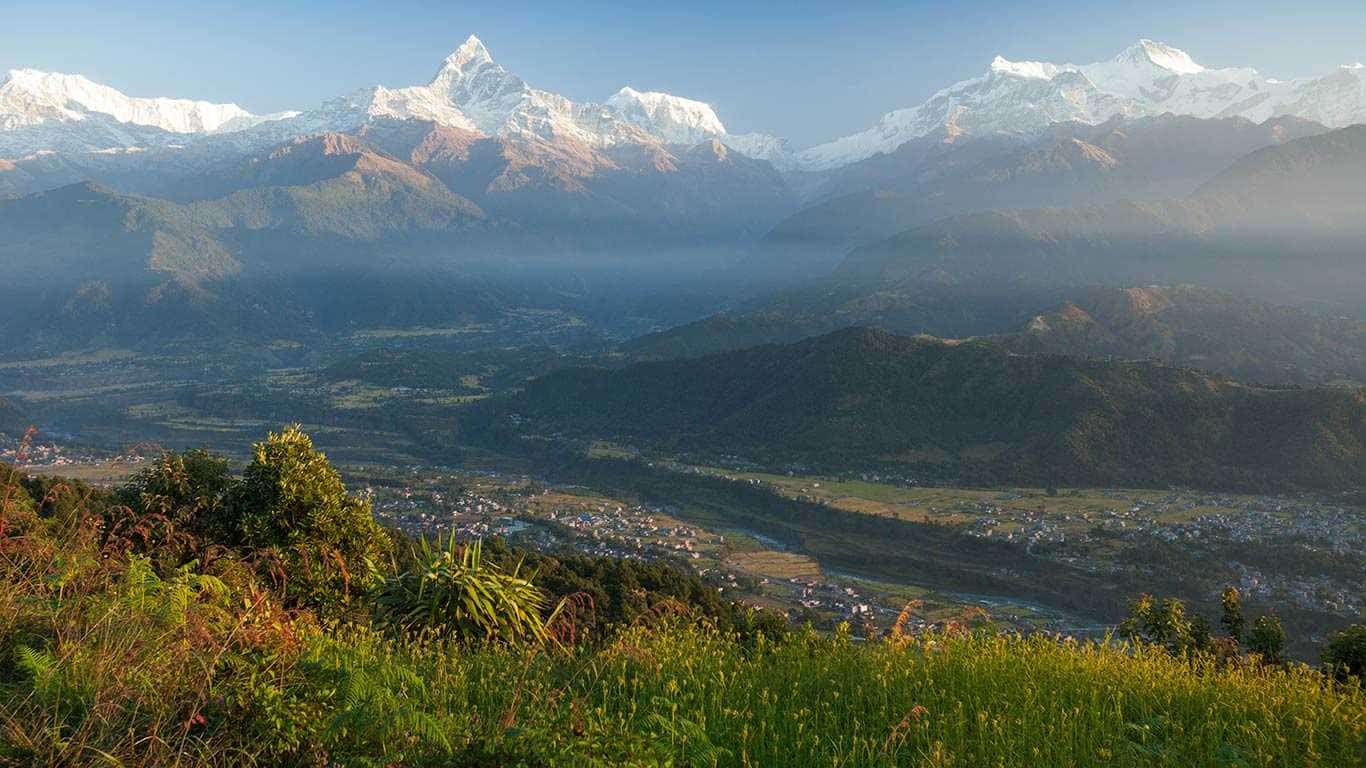
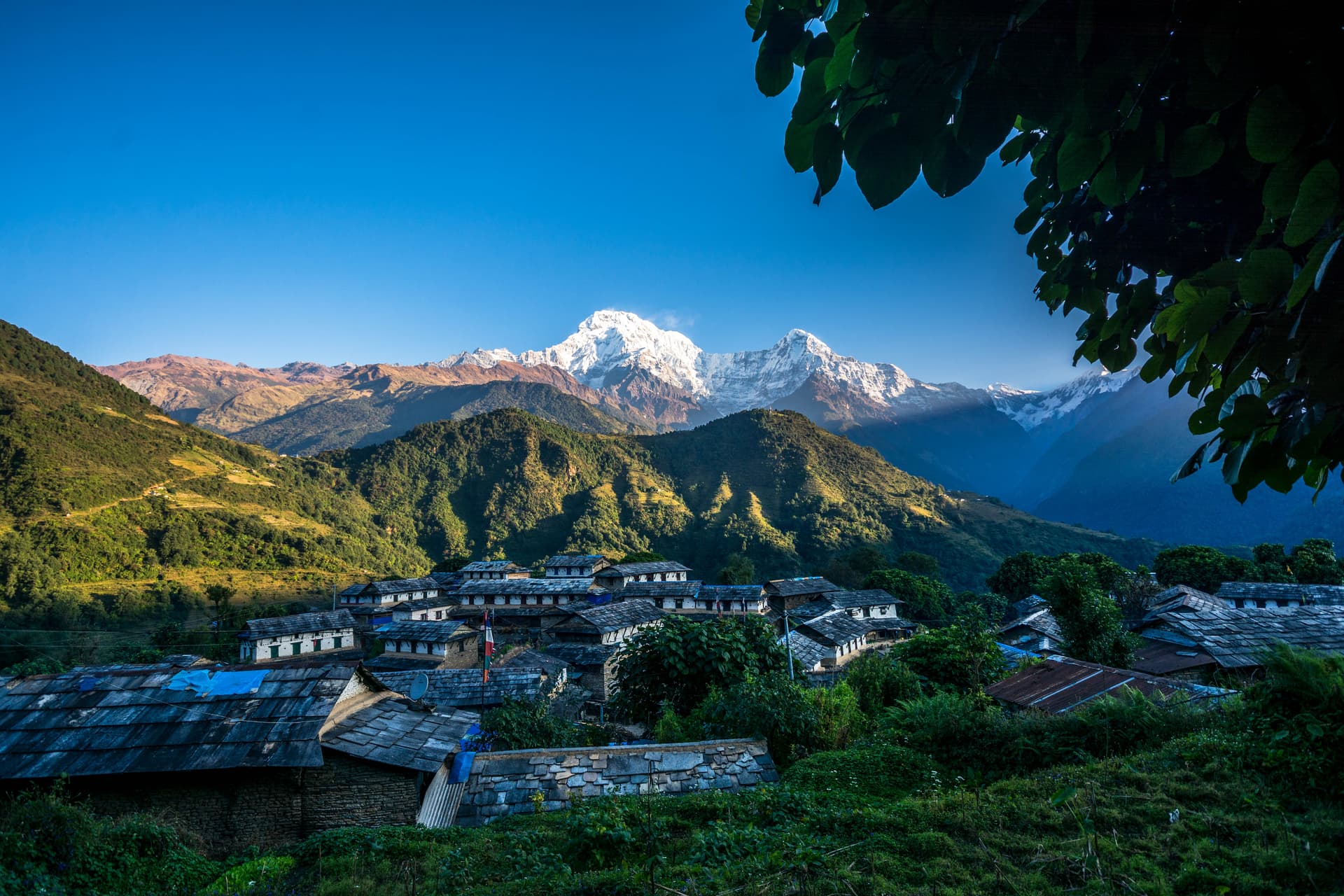
In the distance, fragments of the Annapurna range also start to emerge, primarily the lower ridges and preliminary glimpses of Lamjung Himal (6983 m). The mountains are still far, but they signal that the terrain is slowly becoming alpine.
Day 5 – Trek from Karte to Chame
We start at Karte at about 1700 meters and proceed up Dharapani at 1860 meters before arriving at Chame at 2630 meters.
Karte to Dharapani is a 160-meter gain. Dharapani to Chame is a more rigorous 770-meter ascent. Approximately 930 meters of total gain during the day.
This is where altitude change starts to become noticeable. Air gradually gets thinner than in lower valleys. It is still easy to breathe during rest, but uphill walking is more difficult and slower. This is not a sickness, only the body adjusting to reduced oxygen.
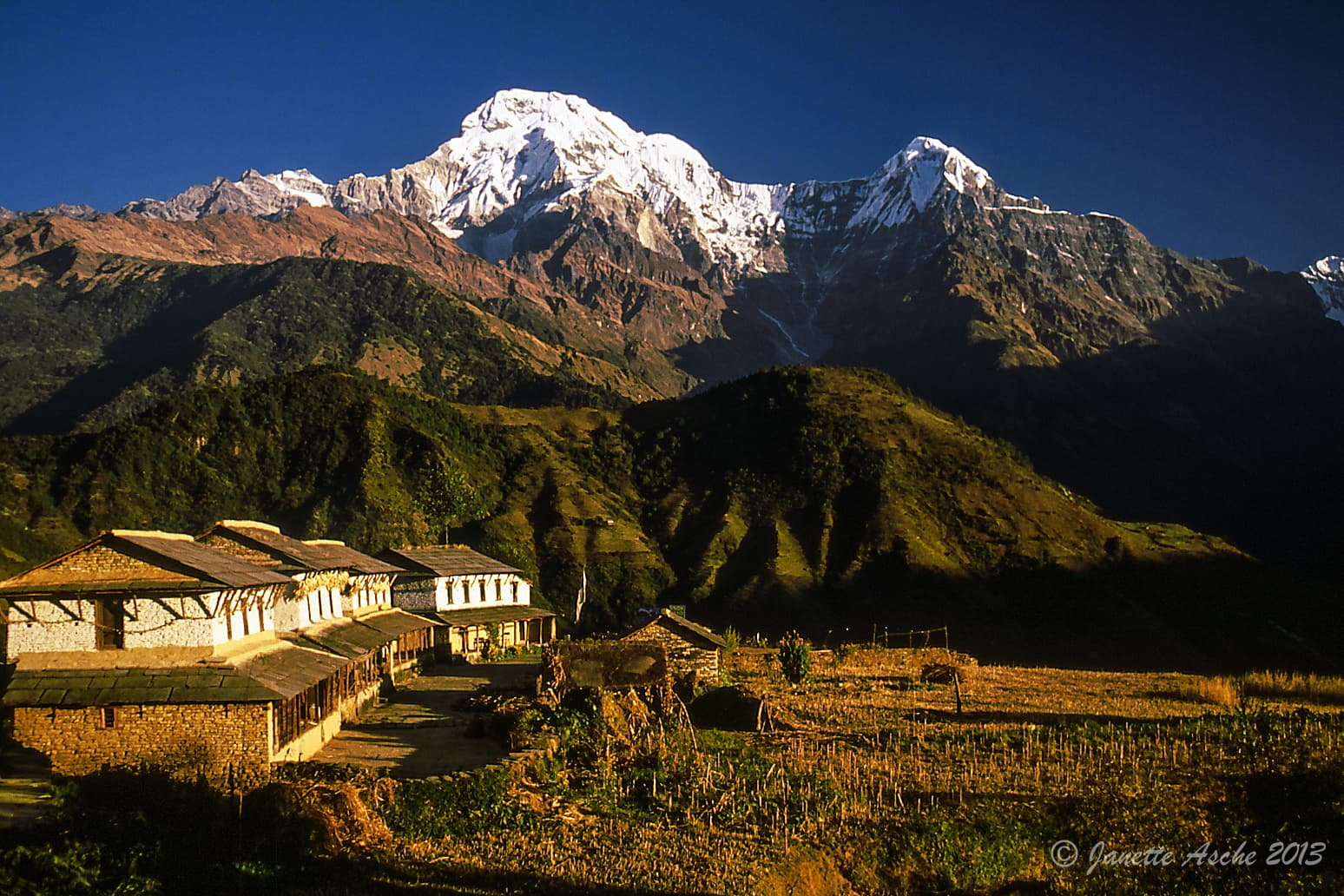
This section also opens to clearer mountain views. Annapurna II (7937 m) is seen in the foreground, and Pisang Peak (6091 m) is visible in the upper valley direction. These mountains are nearer now, not picturesque, far-off shapes.
Day 6 – Trek from Chame to Pisang
Today we head to Pisang from Chame at 2630m. The trail descends deeper into the upper Marsyangdi Valley, through Bhratang to Pisang at 3190m.
Chame to Bhratang is a more protracted climb through forest, and then a more open and steepish rise to Pisang. Overall, the gain for the day is approximately 560 m.
Things begin to get a little bit different here. The pine forests get less dense, and wide Himalayan vistas open. The air is fresher than Chame, but breathing is still comfortable at rest. As the body starts to adapt to a higher elevation, walking uphill will slow down and become more rhythmic.
True high Himalayan terrain starts to become more prominent with the presence of mountains like Annapurna II (7937 m).
Day 7 – Trek from Pisang to Manang
Starting from Pisang (3190m), we make a steady climb to Manang (3540m).
This route runs through the perched villages of the upper valley, such as Humde and Braga, traversing a broad diurnal dry valley with good Himalayan views. The total rise is about 350m.
This section offers two route options (upper and lower trail), but both eventually lead to Manang. The upper route is more scenic, offering panoramic views of Annapurna III (7555 m), Gangapurna (7454 m), and Tilicho Peak (7134 m), while the lower route is slightly easier.
On the way to Manang, a change in the environment is notable, becoming progressively drier and cooler. The valley is much wider, and the air is less dense than in Pisang, but it can be walked through at a steady pace.
Day 8 – Acclimatization in Manang
We stay in Manang at 3540 meters for acclimatization. In the daytime, short hikes of some 100-300 m are made to higher viewpoints like the Gangapurna lake or surrounding ridges, and then back down to the sleep level. The controlled exposure allows the body to acclimate to the thin air. Breathing is regular and comfortable at rest, but becomes slower and more controlled when walking up hills.
This is one of the most important altitude adjustment days. The higher route ascends more initially, thus allowing the adaptation of the body to sleep lower in Manang. The air here is evidently thinner than in Pisang. Breathing remains stable at rest, but uphill walking requires more control and a slower rhythm.
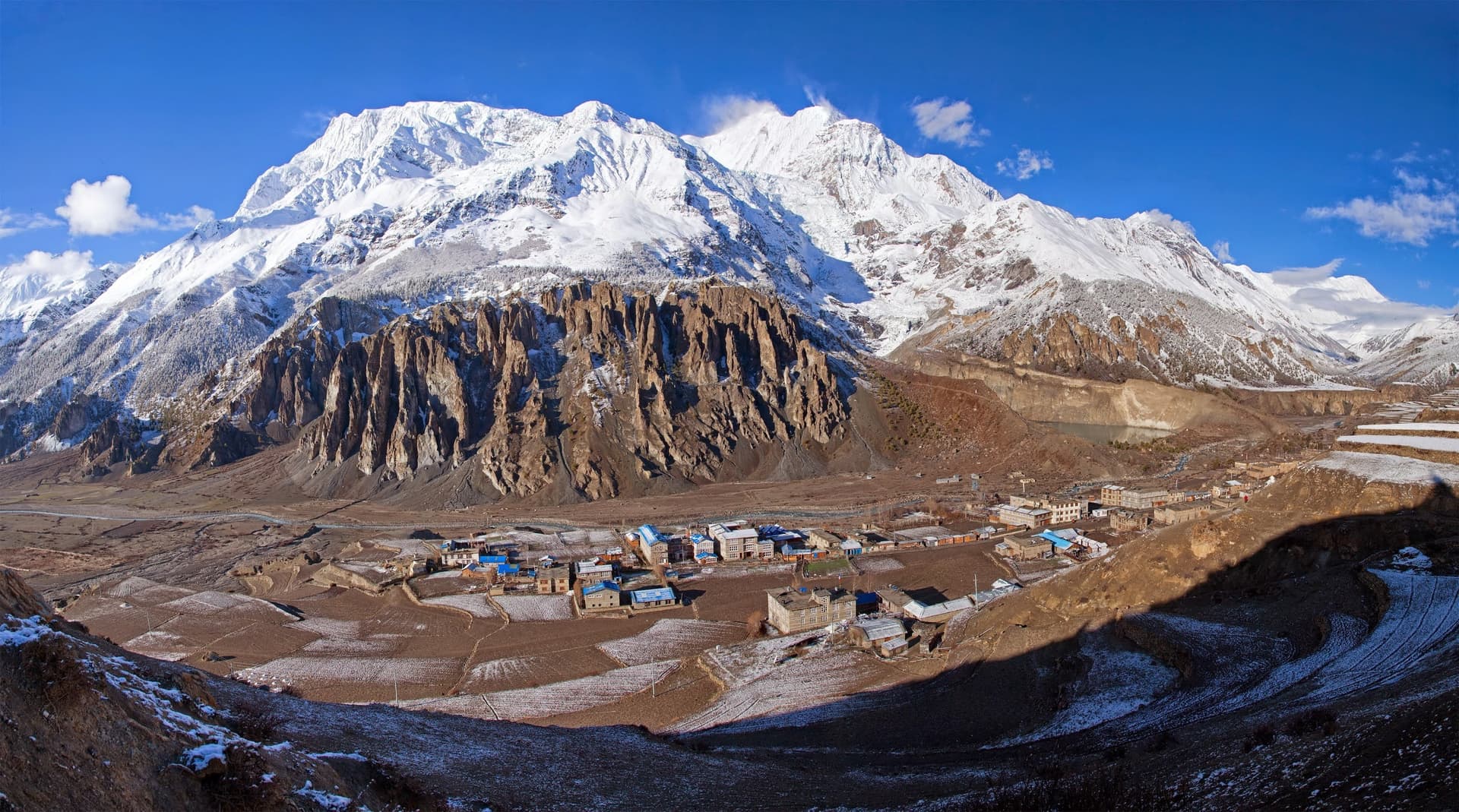
At this elevation, Annapurna II (7937 m), Gangapurna (7454 m), and Tilicho Peak (7134 m) become more visible in the valley. The mountains no longer appear as lines but as wall-to-wall solidity now. The landscape is dry, alpine, and open, a significant contrast to the lower forested valleys.
Day 9 – Trek from Manang to Letdar
We depart Manang at 3540 m and start a steady climb to 4250 m, Letdar.
The trek is slow-paced and passes through the alpine region, with yaks and local shepherds roaming the open grazing ground at Yak Kharka. There is an overall height gain of approximately 710 m for the day.
The vegetation is very sparse, and the terrain becomes dry and rocky. The air is definitely thinner, and walking is slower automatically due to the body acclimatizing itself to the higher elevation.
However, the views are still broad and strong, with Annapurna III (7555 m) and Gangapurna (7454 m) dominating the horizon.
Day 10 – Trek from Letdar to Thorong Phedi
We depart from Letdar (4250m) and head for Thorong Phedi (4450m). Depending on acclimatization and conditions, some trekkers will also be able to trek on to Thorong High Camp at approximately 4880m.
The gain of Letdar to Thorong Phedi is 200 meters. Continuing to High Camp, it adds another 430 meters. The overall exposure increases gradually to the high-altitude area where the air is evidently thinner.
This is where the body feels altitude more directly. Not as a sickness first, but as an effort. At rest, breathing remains normal, but each uphill stride becomes slower and more careful since the volume of oxygen per breath is reduced at this stage. The terrain also becomes dry and open and almost devoid of vegetation.
Day 11 – Cross Thorong La Pass to Muktinath
We start at Thorong Phedi at 4450 meters or Thorong High Camp at 4880 meters, and ascend to Thorong La Pass at 5416 meters. After that, we descend to Muktinath at 3800 meters.
The distance between Thorong Phedi and Thorong La Pass is 966 meters. The gain from the High Camp is 536 meters. A steep downward slope of 1616 meters to the Muktinath immediately follows the pass.
This is the highest point of the entire trek. The air is extremely thin here, and the pace of walking remains slow and steady. Our body is engaged in the complete management of oxygen. Breathing is calculated, not rushed. After crossing the pass, the descent brings immediate relief as oxygen increases again in Muktinath.
The pass point offers a view of Dhauligiri (8167 m) on one side and the entirety of Mustang valley below.
Day 12 – Trek from Muktinath to Jomsom
We begin at 3800 meters in Muktinath and finish at 2720 meters in Jomsom.
The altitude loss between Muktinath and Jomsom is 1080 meters.
This is a complete descent day across the Mustang scenery. There is distinctly heavier air than in the pass zone. It becomes easier to breathe once again, but the wind gains momentum in the Kali Gandaki valley. The afternoon wind is always the same here. It moulds the dry, open land of this land.
The body starts recovering after the high-pass effort. Our energy is steady, yet our legs get weary due to our prolonged downhill walk.
Day 13 – Fly Jomsom to Pokhara and Drive to Kathmandu
We depart Jomsom at 2720 meters and fly to Pokhara at 850 meters. Then we drive back to Kathmandu at 1350 meters.
Jomsom to Pokhara is an air distance descent of 1870 meters. Pokhara to Kathmandu is a road 500 meters long.
This is a transition back to a lower altitude life. The amount of oxygen in the air rises significantly in Pokhara, and it becomes comfortable to breathe. In Kathmandu, the body returns to starting elevation, completing the full altitude loop of the Annapurna Circuit.
Reaching the Summit: Everything You Need to Know About Thorong La Pass Altitude
The risk of altitude sickness increases in Thorong La Pass at 5416 meters, where the Annapurna Circuit trek elevation is the highest. The ascent is 966 meters, starting at Thorong Phedi at 4450 meters and 536 meters at Thorong High Camp at 4880 meters.
The oxygen pressure at this altitude is almost half of that at 3000 meters. That is why the body cannot take large steps without slowing down. Breathing at rest may still feel controlled, but during movement, each breath carries less oxygen, so the body naturally reduces pace to maintain balance. Here, the air is the primary cause of fatigue.
At altitudes above 5000 meters, the body begins to rely on slow breathing to supply oxygen. Even short uphill slopes feel longer due to insufficient oxygen uptake between strides. This is also the area where Thorong La Pass altitude sickness manifests, if there has been rapid ascent in the past days, particularly when Manang acclimatization has been omitted or hurried.
The environment also affects the body's response. There are no trees, no moisture, and the exposure to the wind is high, which causes more heat loss. The cold air causes breathing to feel sharper, and the dry weather exacerbates the dehydration risk, which further decreases the efficiency of oxygen in the blood.
The descent starts right after the pass to Muktinath at 3800 meters, where oxygen levels are replenished faster, and breathing steadily returns to a natural pace. This sharp altitude drop is why recovery starts almost immediately after crossing.
At this stage, completing the trek depends less on physical strength and more on how gradually the body has been taken upward from 3000 meters onward. The controlled ascending, adequate rest at Manang,g and gradual pacing at Letdar and Thorong Phedi determine the efficiency of the body in areas with low oxygen at the summit.
Recognizing Altitude Sickness (AMS) on the Annapurna Circuit
In the Annapurna Circuit elevation profile, the problem of altitude sickness starts to be experienced when the trail rises past 3000 meters, particularly past Manang at 3540 meters. At this point, the oxygen concentration gradually decreases with each increase in height, and the body begins responding to thin air, rather than to normal trekking effort.
This is not a sudden condition. It is constructed in a gradual manner, with the path ascending to Letdar at 4250 meters and Thorong Phedi at 4450 meters. Every step up entails a reduction in oxygen per breath, and thus the body has to keep its rhythm steady to maintain the balance.
But, how exactly can we identify if we are experiencing Altitude sickness, and how exactly do we prevent it? Let’s delve a little and find out.
When this starts
Usually after 3000 meters. Most frequent between Manang and the northward, and more pronounced around Letdar and Thorong Phedi.
How it begins
The first sign is a headache that fails to subside even after a rest. Breathing becomes altered at night with the altitude, and this makes sleep light and broken. Appetite decreases even in the presence of food, not because the food is unlikable, but because the body slows down digestion in low oxygen conditions.
How it feels while walking
Uphill walking becomes slower even at a normal pace. The breathing is alright when standing still, but when moving, it becomes shallow and more difficult. This is the body responding to insufficient oxygen and not unfitness.
Warning signs
The body is not adapting well, and it is cramped by dizziness, nausea, and loss of coordination when walking. When they occur as one moves closer to Thorong La Pass at 5416 meters, it would imply that oxygen supply is no longer at par with the demand.
Preventing Altitude Sickness (AMS) on the Annapurna Circuit
When prevention matters
Above 3000 meters, particularly between Manang, Letdar, and Thorong Phedi.
How ascent should be done
Take it slow and allow the body to adapt with each step. It is essential to acclimate in Manang before climbing higher. The body will adjust more appropriately when it takes time at one level before ascending higher.
Movement control
Pace slowly and steadily. The rapid pacing of the body at elevation causes the body to burn more oxygen than it can replenish, causing fatigue at an early stage and a lack of adaptation.
Hydration and recovery
Dry mountain air increases water loss without notice. Frequent water consumption maintains the blood flow constant, promoting efficient oxygenation in the body. Carry at least a 2-litre reusable bottle and fill it up with boiled water at every stop.
(Note: Avoid alcohol as well as smoking throughout the trek)
AMS medicine (Diamox)
Acetazolamide (Diamox) is a prophylactic aid used by some trekkers. It assists the body to adapt more quickly to reduced oxygen by enhancing the breathing response during sleep and decreasing early signs such as headache. It is not a cure for AMS, and it does not replace acclimatization. It is typically only administered under medical guidance and is taken before ascending over 3000 meters.
Most important rule
When the symptoms get worse and not better, the only prevention that is safe is the cessation of further ascent. No medicine, strength, or experience can counteract the low oxygen at higher altitudes, particularly at Thorong La Pass, 5416 meters, so it is important to listen to your body.
Expert Tips for Successful Acclimatization During Your 2026 Trek
Climb high, sleep low: The short climbs over the village aid the body in adjusting to the thinner air, and sleeping back down maintains the body at a steady state of recovery during the night.
Go slow even when you feel strong: Between Manang and Letdar at 4250 meters, strength is not the issue. Oxygen is. Slow walking maintains a steady breathing process and does not invite early fatigue, which normally occurs on long ascents.
Drink water regularly, not only at stops: The moisture is removed more readily than anticipated by dry air above 3000 meters. Small, frequent sips are better than big breaks since they maintain smooth circulation all day long.
Eat even when you are not hungry: Appetite naturally drops as you go higher toward Thorong Phedi at 4450 meters. Simple food should be consumed warmly since the body requires more energy to simply survive in low oxygen.
Use Diamox only if needed and guided: Acetazolamide (Diamox): It is occasionally administered to assist breathing during sleep. It may decrease initial symptoms such as headache and sleep disturbance, but it does not supersede acclimatization. It is not protection but support, particularly above 3000 meters.
Pay attention to small changes in your body early: Early symptoms include light headache, unusual fatigue, or disturbed sleep. These are preceded by severe symptoms, particularly approaching Thorong La Pass at 5416 meters. Early intervention makes things easier.
The Annapurna Circuit trek altitude is demanding as the climb is steady and long. The trek becomes manageable when the body is given time to adjust at key stops like Manang and the higher valley sections.
Fitness is not the difference, but the way the ascent is timed on each rise. With the gradual climb and rest days, the body naturally adjusts even to higher altitudes close to Thorong La Pass at 5416 meters.
To see exactly how this altitude progression is planned by Himalayan Trekkers, you can follow the full structured route here: https://himalayantrekkers.com/itinerary/annapurna-circuit-trek, where each section is designed to balance ascent, rest, and acclimatization.
Our team on WhatsApp is available 24/7 to assist you with your planning in the safest way possible; be it real-time support, gear renting, or itinerary adjusting. So book now and secure your Annapurna Circuit Seat!