Three Kunda Ruby Valley Trek

Share with your friends
Trip Information

19 days

Singla Pass 4,220 M

Difficult

Kathmandu

Kathmandu

Trekking


Trip Highlights
Least explored hidden trekking trail
The awe-inspiring view of Ganesh Himal comprising Langtang Lirung, Boudha Himal, Hiunchuli, Dorje Lakpa
Pangsang Pass (3,900 m) is the major attraction on this trek
Provides the genuine experience of unspoiled Tamang and Gurung villages, beautiful farm terraces with magnificent Himalayan Range
Experience with local traditions, culture, and lifestyle
Three Kunda Ruby Valley Trek Overview
The Three Kunda Ruby Valley Trek is one of the least explored hidden trekking trails of the Ganesh Himal Region. It takes you to the amazing mountain villages like Sertung, Tipling, Chalish, and Jharlang.
The Tamang and Gurung ethnic groups predominantly inhabited the region. Furthermore, they are known for their unique culture and rich traditions.
What the Three Kunda Ruby Valley Trek Offers
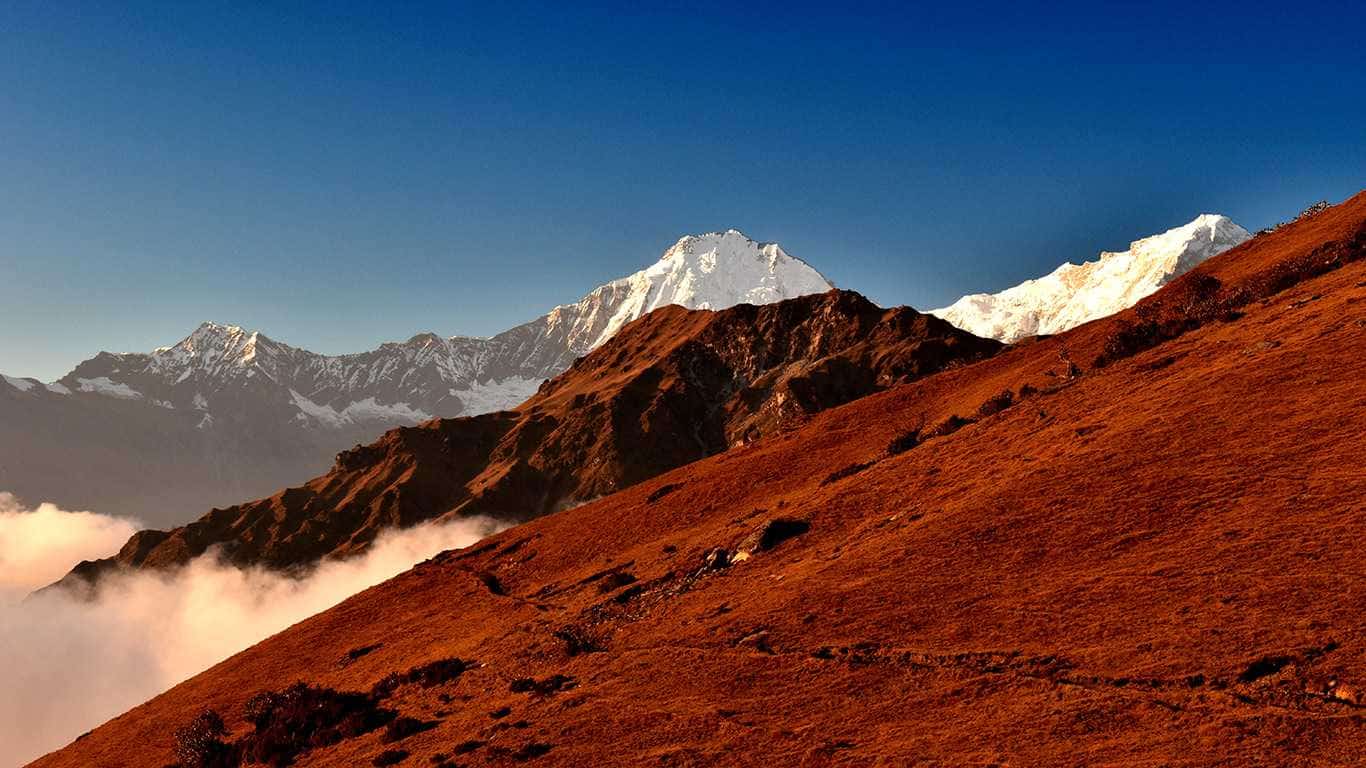
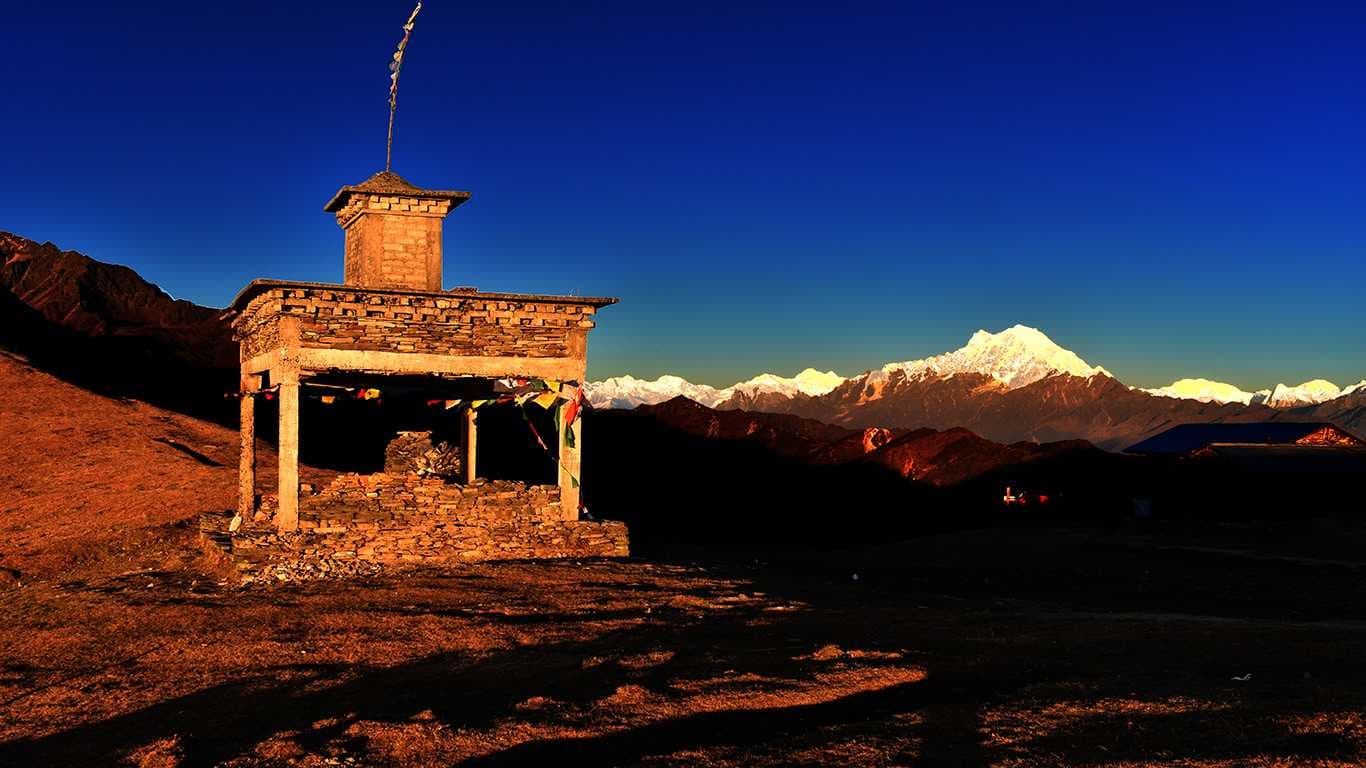
Some of the famous mountain peaks, such as Ganesh Himal, Langtang Lirung, Boudha Himal, Hiunchuli, Dorje Lakpa, and other mountains of Western and Central Nepal of the Ganesh Himal region, can be witnessed during this amazing trip.
This 19-day journey involves walking over the three passes, such as Sing La (4,220 meters), Pangsang La (3,900 meters), and Magne Goth (2,950 meters). However, the Pangsang La Pass is the major attraction on this trek.
This isolated trekking trail provides you with the opportunity to explore some very remote areas in Nepal, not frequented by many tourists. Similarly, the three Kunda (Lake), namely Kalo Kunda, Seto Kunda, and Ganesh Kunda, add a degree of charm and curiosity to the area.
Three Kunda Ruby Valley Trek: Cultural Bliss
Due to the least number of guest houses and lodges, homestay is the best and most effective mode of accommodation. You get a first-hand experience of the rural Nepalese lifestyle.
You can even taste the locally made liquor, made out of apples, millet, and also from buckwheat. Thus, trekking to the Three Passes of Ruby Valley in Central Nepal is a good experience for cultural exposure and witnessing the majestic mountains.
Highlights of the Three Kunda(Lake) trek in Ruby Valley
The least explored hidden trekking trail
The awe-inspiring view of Ganesh Himal, comprising Langtang Lirung, Boudha Himal, Hiunchuli, and Dorje Lakpa
Pangsang Pass (3,900 m) is the major attraction on this trek
Provides the genuine experience of unspoiled Tamang and Gurung villages, beautiful farm terraces, with the magnificent Himalayan Range
Experience with local traditions, culture, and lifestyle
Best Season for the Three Kunda Ruby Valley Trek
Most treks in Nepal’s Himalayas are best experienced in two seasons. The best seasons are Autumn and Spring. But you can still find places to trek in other seasons. For the Three Kunda Ruby Valley trek, spring and fall are the best times.
Autumn for Three Kunda Ruby Valley Trek
Autumn is widely considered the best time to trek in Nepal. The season offers the most, with no drawbacks. The weather remains stable, offering perfect days for treks and tours. Daytime temperatures stay pleasant and mild.
The post-monsoon season offers crisp and clear views of the peaks. Moreover, Ganesh Himal and Langtang Lirung look the sharpest during this season. Besides, fall is the best time for photographers in Three Kunda.
Three Kunda trek in Spring
Spring makes the trails through the Ganesh Himal region burst with colors. It is the season when rhododendrons and wild orchids bloom in the forest. The flora is at its most beautiful state during spring.
The days are longer with warmer temperatures. The afternoon clouds can gather in the sky. But the morning offers a clear sky and a clean mountain view.
Seasons to Avoid Three Kunda
Winter and summer/monsoon are the seasons trekkers avoid the Three Kunda Ruby Valley Trek. These are the times the mountains remain hidden with clouds. Thus, trekking for the view is obsolete during these seasons.
Why do people avoid trekking to Three Kunda in winter? The high passes Sing La and Pangsang La become unpassable. Heavy snowfall covers the passes. Also, due to the harsh weather, many homestays close for the season. The owners migrate to lower elevations for the winter.
Trekking the Three Kunda during the summer/monsoon is avoided due to rainfall. Since the tail in Ruby Valley is lush with vegetation, it will be infested with leeches. Likewise, clouds cover the mountain panoramas. And the trek becomes rewardless.
How Difficult is the Three Kunda Ruby Valley Trek
Ruby Valley, on its own, is a rather beginner-friendly trek. However, adding the Three Kunda trip makes it rank up to Difficult to hard grade. While it becomes a physically demanding trek, it is culturally enriching. So, it is worth trekking.
On the Three Kunda Ruby Valley Trek, you pass two high passes. First is Sing La Pass at 4,220 meters. There’s also the Pangsang la pass at 3,850 meters.
The other aspect adding difficulty is the rugged terrain. Unlike other busy trails like the Annapurna Circuit, the Three Kunda trek follows a less developed path.
The remote conditions of the Three Kunda Ruby Valley Trek make it less popular among new trekkers. It is a homestay-heavy trek. Again, trekkers have access to basic facilities. But they are exposed to authentic food and culture.
Permits for the Three Kunda Ruby Valley Trek
You need two permits for the Three Kunda Ruby Valley Trek. It borders the Langtang and Ganesh Himal region. As such, you will need a TIMS card and the Langtang National Park Entry Permit. Some villages in Ruby Valley may require a local area entrance permit.
For most foreigners, the Langtang National Park enter cost NPR 3,000, $25. But SAARC Nationals need to pay 1,500 NPR. Trekkers pay around NPR 2,000 for a TIMS card. As for SAARC Nationals, they get the card for a thousand Nepalese Rupees.
As of 2026, trekkers need a government-licensed guide. It is now mandatory, and without a licensed guide, you won’t get to make a TIMS card.
Where can you obtain a TIMS card? You can get it at the Nepal Tourism Board in Kathmandu.
What are the documents needed?
Passport
Two passport-sized photographs
Note: By booking a trek with an agency, similar to us, Himalayan Trekkers, you bypass the needless and hectic race to finalize your treks. We manage the process and collect the permits for you. Furthermore, we include all the permit prices in the package.
Departure Dates
What is Included / Not Included
- TIMS
- Permits
- All airport transfers
- Transportation as per the itinerary
- Accommomdation as per the itinerary
- Fees of Guide and Porters
- Meals (Breakfast, Lunch and Dinner with Tea)
- First-Aid Kit
- Welcome/Farewell Dinner
- All applicable taxes
Accommodation
Himalayan Trekkers promises to manage the best, most comfortable, and preferred accommodation.
Generally, in cities like Kathmandu, we arrange basic three-star facilities. If available, you can opt for a more budget-friendly option or upgrade to a more luxurious hotel by paying a little extra.
Although not all the places might have all the modern facilities, we will make sure to arrange safe and comfortable accommodation. In general, hygienic and safe tea houses/local lodges/ home-stays with all the basic facilities are arranged. But you can, if possible, personalize according to your preference.
If your itinerary includes camping or you choose to experience camping during your travel, a proper camping site will be pre-decided. If required, we also provide the basic equipment, which is refundable. Please check the Gear-List and Requirement List for more information.
Meals
Breakfast is usually included with your B&B Accommodation within the cost that is evident.
For other meals in the city, you would have to pay separately. Often in the cities, you can choose from many different cuisines and varied food services. We can always help you find the right place to fit your taste.
In more remote areas, usually, there are not many options. But you can always find hygienic and well-prepared food. Moreover, almost all the meals during the trek are included in the cost. We can help you make changes according to your preference and budget, but only if choices are available!
On top of that, Himalayan Trekkers also organizes Welcome or Farewell Dinners as a symbol of warm greetings.
Please go through the detailed itinerary for more information. We are always there to help you travel to your heart’s content.
Drinking Water
For drinking water, you have three potions. You can resupply at the teahouse, treat contaminated water, and finally, buy bottled water.
Most teahouses tend to offer boiled and filtered drinking water to trekkers. But they do charge a small fee in exchange for water, generally $1 to $3 per liter.
The other option is for you to treat contaminated water by yourself or our team. We purify untreated water by using iodine tablets, UV light, or boiling water.
Lastly, you can opt to buy bottled water. But this trek will be in a remote location. As such, you might not find shops selling bottled water. Moreover, the prices for a bottle of water will be unimaginably high.