Singu Chuli Peak Climb

Share with your friends
Trip Information

Duration
23 days

Max Altitude
6501 M

Difficulty
Strenous

Starts from
Kathmandu

Trips Ends at
Kathmandu

Activity
Peak Climbing


Trekking to the Annapurna Base camp experiencing the heavenly surrounding of the Annapurna region
Pass the iconic villages and explore the lifestyle of the local people of the Annapurna region
Adventure of climbing one of the technical peaks of Nepal
Stunning view of sunrise from Poon hill
An opportunity to explore the cultural diversity of different ethnic groups such as Gurung, Sherpa, Magar, etc. and their hospitality
Visit Jhinu Danda to enjoy a hot spring
Exploring around the Annapurna Conservation Area
Singu Chuli Peak Climb Overview
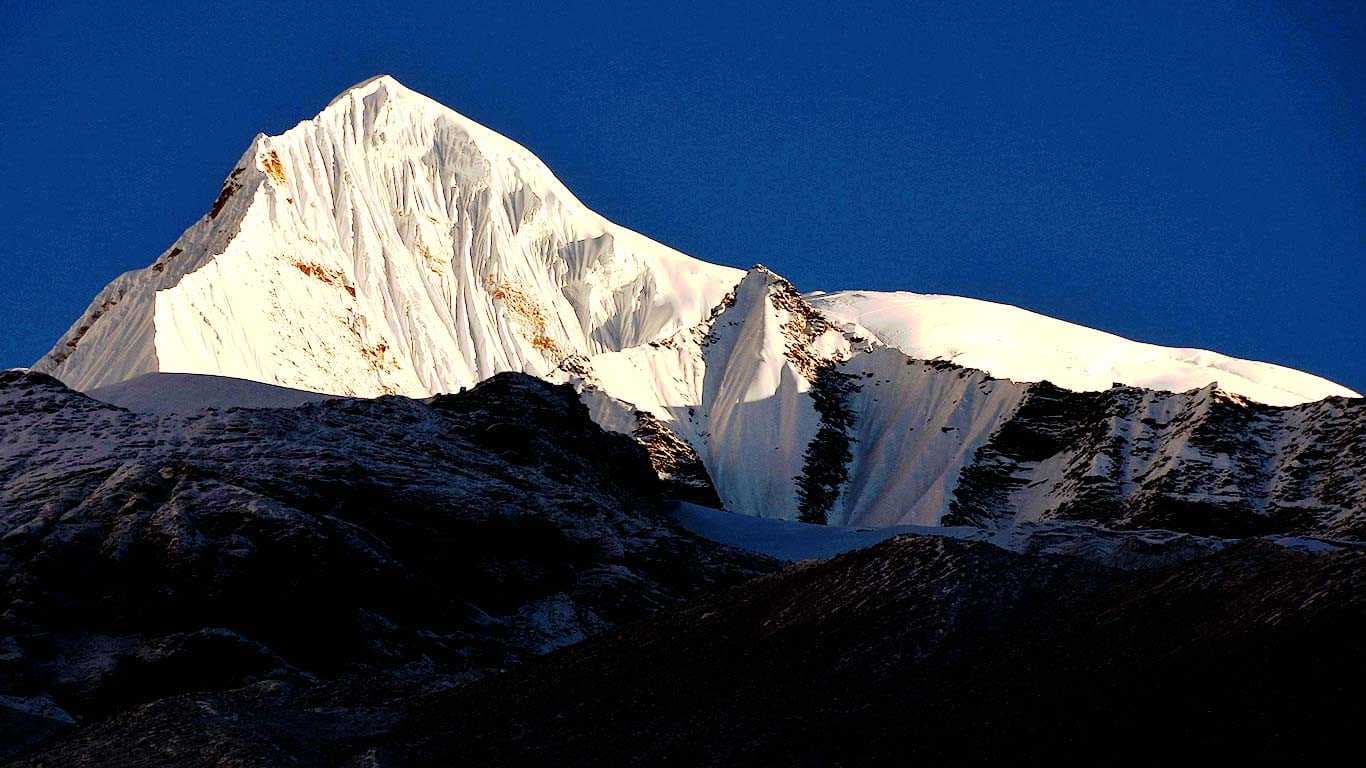
Singu Chuli peak climb is popularly known as the ‘Flute Peak’. Singu Chuli Expedition covers an altitude of 6501 meters in the Annapurna Sanctuary. This stunning mountain peak adjoins Tharpu Chuli (Tent Peak). It lies within the vicinity of the Hiunchuli peaks.
The journey to Singu Chuli Peak summit is filled with technicality and excitement. It is an adventurous climb with a beautiful panorama.
The Singu Chuli Peak trek was the first expedition made by Wilf Noyce and David Cox. They made the journey from the Northeast face and the top section of the East Ridge.
Singu Chuli Peak Route
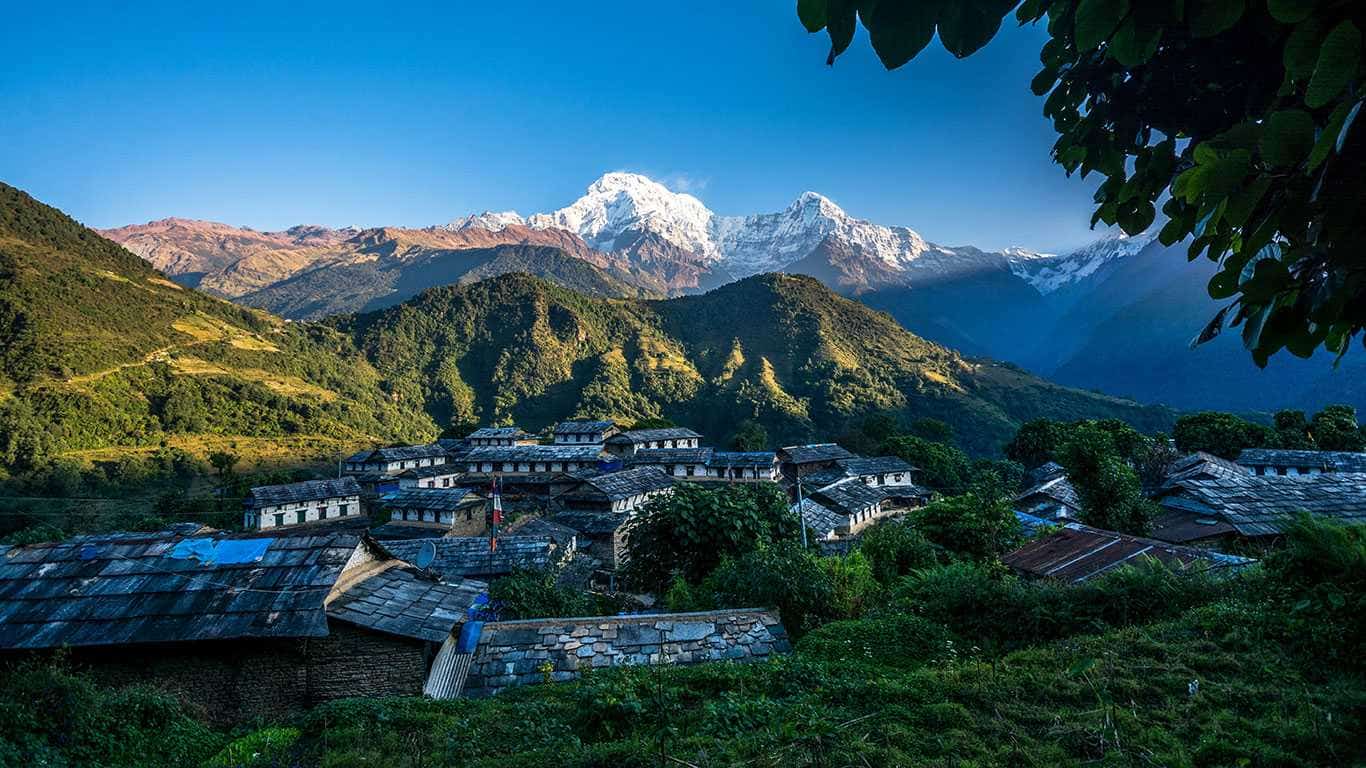
To climb Singu Chuli Peak, one must walk to the Modi Khola gorge straight into the Annapurna Sanctuary. During the trek, you will encounter glimpses of local life in the Annapurna region as you pass from one hamlet to the next.
Ghorepani, Tadapani, Tikhedhunga, and other villages will lead you to the Annapurna Base Camp. The base camp of Annapurna is located at an altitude of 4,130m. It allows you to enjoy the scenic and snow-capped view of the Annapurna region.
You can find two other high camps during this trip. They are established at 4,900m on the North-East face and the other one at 5,500m on the North-East face of the mountain. This will be the final campsite before reaching the summit.
The route to the top of the mountain is not straight, making locating the trail to the summit difficult. Similarly, the ascent to the summit is hindered by a vertical wall. This makes ascending extremely challenging.
Singu Chuli Peak Challenges
The climb to the Singu peak requires some mountain and ice climbing experience. Also, travelers need appropriate alpine training. The trail to this mountain peak may seem to be quite difficult compared to Tharpu Chuli. Singu Chuli Peak is also the highest peak in the area.
The summit of the mountain will welcome you with majestic views of a mountain. You can find ranges like Dhaulagiri, Himchuli, Annapurna Machhapuchhare (Fishtail), and more.
It provides an unforgettable experience for the climbers. The reward makes up for all the hardship of the journey.
While trekking to the peak, you will have great cultural experiences in places like Ghandruk and Chomrong. There is a relaxation period before the Machhapuchhare Base Camp and the Annapurna Base Camp. Climbers can accumulate the energy for the trek to higher elevations.
The relaxation place offers a period of rest and comfort. Plus, it comes with a great view of the high Himalayas. The whole journey is a varied experience adventure, a rich cultural experience, and a sense of accomplishment.
Highlights of Singu Chuli Peak Climbing
Trekking to the Annapurna Base camp experiencing the heavenly surroundings of the Annapurna region
Pass the iconic villages and explore the lifestyle of the local people of the Annapurna region
The adventure of climbing one of the technical peaks of Nepal
Stunning view of sunrise from Poon Hill
An opportunity to explore the cultural diversity of different ethnic groups, such as Gurung, Sherpa, Magar, etc., and their hospitality
Visit Jhinu Danda to enjoy a hot spring
Exploring around the Annapurna Conservation Area
Best Time for Singu Chuli Peak Climbing
The best seasons for climbing, trekking, or mountaineering in Nepal are spring and autumn. The season offers a stable climate and clear visibility. Hence, the best time to climb Singu Chuli Peak is also during the spring or autumn season.
Autumn and spring seasons will offer you favorable and moderate weather. Treks and climbs of the peak can be done without heavy snowfalls. You can avoid freezing temperatures and the risks of landslides. Both winter and summer seasons are bad because of these risks.
Singu Chuli climb in autumn (Sept–Nov)
Autumn is a peak adventure season in Nepal, considering the influx of trek enthusiasts during this season. The fall weather has been very appealing to the travelers interested in summiting the high altitudes. In Nepal, autumn starts from late September to early December.
The soothing climate with an exquisite panorama of the great Himalayas. Sometimes a little snowfall will greet you while summiting the Singu Chuli peak in the autumn season.
Singu Chuli climb in spring (March–May)
The warm and sunny days of spring are what make it the perfect time for peak climbing. You can enjoy the scenery of the mountains without any obstacles like fog. There are no or very few alterations in the weather during spring, which avoids any sort of uncertainties during the journey.
Most of the trek routes are filled with blooming, beautiful flowers. Rhododendron in spring can be a great aesthetic for photographs and creating memories.
How Difficult is Singu Chuli Peak?
Although considered one of the trekking peaks, Singu climbing, with an elevation of 6501 meters, is not simple or easy. Singu Chuli peak's difficulty level is technical peak climbing in Nepal. A rookie trekker or climber might have to face many challenges on this trip.
A trekker requires some prior alpine experience with appropriate technical skills. Some trails of this peak climbing are filled with icy slopes and rock climbing. You will have to be ready with mountaineering gear such as rope, axes, etc., and also have training on using them.
Physical fitness is also a must in this climb, as you have to trek for almost 6 to 7 hours per day for more than two weeks. There are chances of altitude sickness due to its high elevation.
The weather in the Himalayan areas is sometimes unpredictable and can be harsh. So, you will have to be prepared to face these challenging weather conditions. Altitude sickness can be an issue in the Singu Chuli climb. The oxygen level at such high altitudes is low, so regular acclimatization is required.
The difficulty level of Singu Chuli Peak makes it an exciting and adventurous trip. With good physical health and a strong will, you will be able to touch the summit.
After completion your feet and feel a sense of accomplishment and triumph. As you admire the panorama of several mountain ranges. You can attempt the next harder peak with this experience under your belt.
Itinerary Detail
Singu Chuli Peak Climb Packing List
 General
Backpack (40-50L for summit day)
Duffel bag (carried by porter/yak)
Sleeping bag (rated to -20°C or lower)
Sleeping pad (for extra insulation)
Headlamp with extra batteries
Sunglasses (category 4, glacier glasses)
Water bottles (2x 1L) or hydration bladder
Thermos (optional but useful at high camp)
Water purification (tablets or filter)
Trekking poles (collapsible)
Personal toiletries (toothbrush, toothpaste, wet wipes, etc.)
Sunscreen (SPF 50+)
Lip balm with SPF
Personal first aid kit
Snacks (energy bars, gels, trail mix)
High-altitude medications (Diamox, ibuprofen, etc.)
Passport and permits (TIMS, climbing permit, etc.)
Camera or phone with charger/power bank
Dry sacks or waterproof stuff sacks
 Upper Body
Sun hat or cap
Buff or neck gaiter
Warm hat (fleece or wool)
Balaclava (for summit night)
Lightweight base layer (synthetic or merino)
Mid-weight fleece or softshell jacket
Insulated jacket (down or synthetic, for cold evenings)
Heavy-duty down jacket (for summit push)
 Torso
Torso
Short-sleeve trekking shirts (2-3, moisture-wicking)
Long-sleeve trekking shirts (2)
Lightweight fleece or merino base layer (1-2)
Insulated vest (optional)
Hardshell jacket (waterproof/windproof with hood)
 Lower Body
Trekking pants (2)
Thermal base layers (2 pairs, merino or synthetic)
Softshell pants (for cold days)
Hardshell pants (windproof and waterproof)
Insulated pants (for summit night)
Shorts (optional for lower altitudes)
 Hands
Hands
Lightweight liner gloves (fleece or synthetic)
Windproof gloves
Insulated mittens or gloves (for high camp/summit)
Extra pair of gloves (backup)
 Feet
Feet
Trekking socks (4-5 pairs, wool or synthetic)
Thermal mountaineering socks (2 pairs)
Trekking boots (well broken-in, waterproof)
Mountaineering boots (double-layer for summit)
Camp shoes (Crocs or sandals)
Gaiters (for snow and scree protection)
 Undergarments
Moisture-wicking underwear (4-5 pairs)
Thermal underwear (2 sets, for sleep and summit)
Departure Dates
What is Included / Not Included
- Peak climbing permits
- One professional guide
- All the airport transfer costs
- First aid kit
- Meals at remote areas
- Hotel and lodging experience during the trip
- Camping equipment like tent, cooking utensils, and mattresses
- Annapurna Conservation Area Permit
- Salary, insurance, and equipment of our team
Generally, in city areas like Kathmandu and Pokhara, there is an availability of hotels and resorts. You have access to budget-friendly as well as luxurious hotels with modern facilities like Wi-Fi, swimming pools, etc.
We will provide you with basic three-star facilities in accommodation. However, you have options to upgrade to a more luxurious place with extra payments.
The facilities, such as city areas, are not always available in remote areas during trekking.
During the time of trekking, we can offer you safe and hygienic eco-lodges, trekking tea houses, or homestays with basic facilities. The period of climbing at high altitudes will mostly include a tented camp for staying and resting periods.
Meals During the Singu Chuli Peak Climb and Trekking
Usually, breakfast is managed at your accommodation at a paid cost. You will have to pay separately for other meals in city areas. We can guide you to the place that fits your taste since there are many options available in city areas.
Almost all the meals in remote areas are included in the cost and are provided by us due to a lack of options. You will be provided with organic and hygienic food. Some changes can be made if possible, according to your preference and budget.
Mostly, we include a Welcome or Farewell Dinner as a symbol to present our gratitude for your presence and warm greetings to you.
Drinking Water during Singu Chuli Peak Climb
Proper hydration for the Singu Chuli Peak is necessary for any climber. Thus, water is available at all different stages of the expedition, from lower trekking routes to higher base camps.
The lower areas have local streams and teahouses. The climbers can refill their water bottles for a fee in teahouses and lodges.
In areas that are quite far from civilization, it's the climbing team's forethought that safe drinking water is always available. They do it by purifying the water through means such as boiling and water purification tablets.
They are also advised to drink plenty of water for hydration and to avoid altitude sickness. They will get ample opportunities to replenish their stock of water along the trek. Proper hydration aids not only in physical performance. It also plays a very important role in acclimatization during the expedition itself.
Frequently Asked Questions
1. Is Singu Chuli Peak hard to climb?
Yes, the trail of Singu Chuli Peak is technical even though it is a ‘trekking peak’. However, it is not impossible to climb to the summit of Singu Chuli Peak. With some technical alpine training, you can trek your way to Singu Chuli Peak and enjoy the experience of climbing and the local lifestyle of Nepalese people. A prior experience of climbing will be helpful in the journey.
2. How long does it take to Climb Singu Chuli Peak?
You will require at least 18 days to climb Singu Chuli Peak as there are some technical sections in the trail to the summit. However, we will suggest you not rush the process of trekking and climb the peak gradually to avoid any health hazards.
3. How much does it cost for Singu Chuli Peak Climb?
…. However, the cost for the journey may vary according to your preferences on upgrade circumstances.
4. Can I climb Singu Chuli Peak without Guide?
No, you will require a guide to climb Singu Chuli Peak as it has technical trails. Also, the guide will be more familiar with trekking routes, the use of climbing gears, avalanche risks, and rules and regulations of the Nepal government regarding climbing. They can assist you while crossing glaciers. Along with that, they will focus on your safety in case of emergency or any uncertain injuries.
5. Can I see views from Singu Chuli Summit?
Absolutely yes! The summit of Singu Chuli offers a magnificent panorama of Mardi Himal (5587 m), Mt. Khangsar (3,756 m), Annapurna I (8,091 m), Annapurna II (7,937 m), Annapurna III (7,555 m), Annapurna South (7,219 m), Hiunchuli (6,441 m), Mt. Machhapuchhare (6,993 m), etc.
6. When can I climb Singu Chuli Peak?
Spring (March to May) and Autumn (September to November) is the best season to go for the adventure of climbing Singu Chuli Peak.
7. Is insurance required for climbing Singu Chuli Peak?
Yes, you should get climbing insurance before trekking to Singu Chuli Peak to cover financial baggage. Your insurance will be useful in case of emergencies like altitude sickness, theft, health problems, helicopter rescue, etc. We will suggest you check all the details of insurance before signing the agreement papers.
8. Do I need to own personal climbing gears?
We provide you with climbing gears such as ropes, ice axes, etc. in the group but you have to own your personal climbing shoes, helmets, sticks, etc.
Great Experience of Singu Chuli Expedition
This was my first experience with Himalayan Trekkers and the service provided by them was first class. All the team members were one of the most polite people I have encountered in my trekking journey. They really added more memories to my climbing experience. I cherish all the memories I captured in my phone and in my mind during my journey. I was traveling solo but made a few new friends along my trekking journey, they managed a group I climbed with them.

Marcus Lyon
Jan 4, 2022 · UK