Mardi Himal Budget Trek
Download Itinerary

Share with your friends
Trip Information

9 days

5587

Moderate

Kathmandu

Kathmandu

Trekking


Trip Highlights
Hike in the Annapurna’s off the beaten track that is still relatively new is less crowded
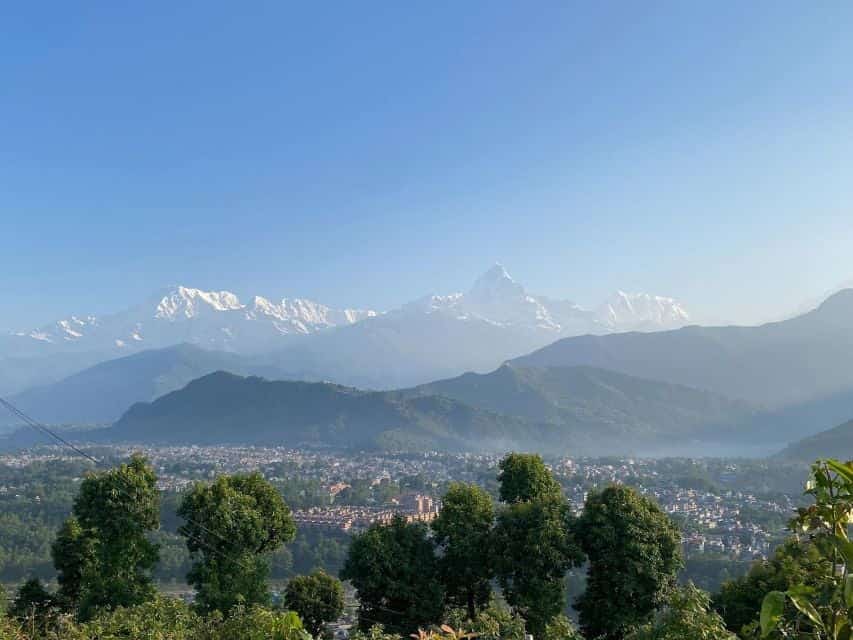
Relish the views of Mardi Himal, Annapurna South, Machapuchhre, Hiunchuli, and other peaks
Traverse through rhododendron groves that are in full bloom (in March-April)
Get insights into the Nepali culture indulging in the daily lifestyle of the locals
Picture-perfect vistas from the low camp, high camp, and base camp
Get a glimpse of traditional Nepali villages and taste of warm hospitality of the localities
Mardi Himal Budget Trek Overview
Mardi Himal budget trek package Nepal is a challenging adventure trek route of the Annapurna region. It is quickly gaining popularity among hiking enthusiasts. It is located east of the Annapurna Base Camp Trek route. It lies on the lap of Mount Machhapuchhre (Fishtail).
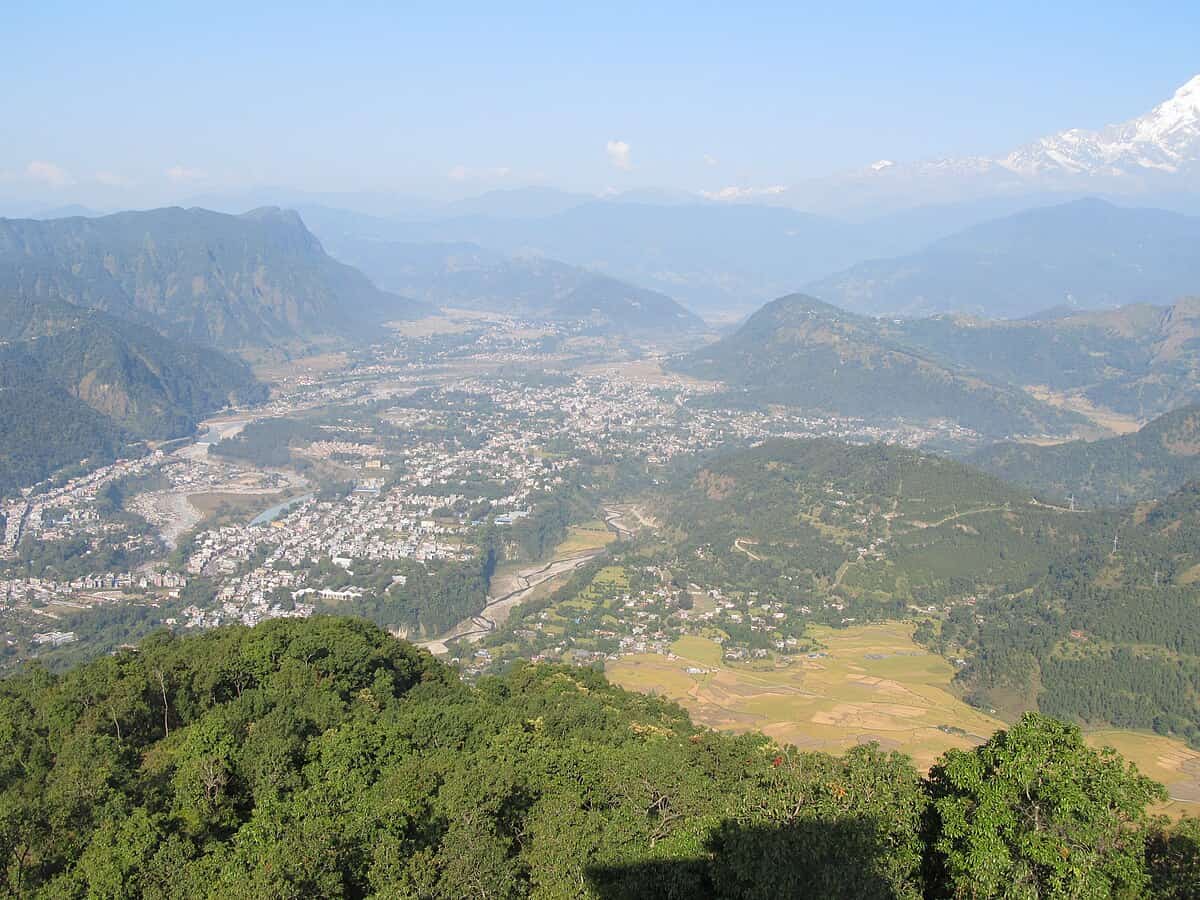
It offers a relaxing hiking experience through beautiful villages. Trekkers can journey past the lush green forests and small huts. Some of the best landscape views of the massive Annapurna ranges display nature's grandeur and beauty.
Mardi Himal Budget Trek Route
The Mardi Himal Budget Trek journey takes you through alpine forests. You witness tranquil waterfalls and challenging hilly terrain. The views of the Annapurna, Dhaulagiri, and Manaslu Himalayas in broad open spaces dominate the whole region.
In a short amount of time, trekkers will be able to discover the region's natural landscapes. Aside from the natural beauty, the Mardi Himal Inexpensive Trek. It allows you to see distant ethnic settlements in this region. Untouched by modernization.
This specially designed budget trek to Mardi Himal is a mix of adventure and enjoyment. Low camp is the major highlight of this Mardi Himal Budget Trek. It has the greatest views of Machhapuchhare, along with sunrise and sunset vistas.
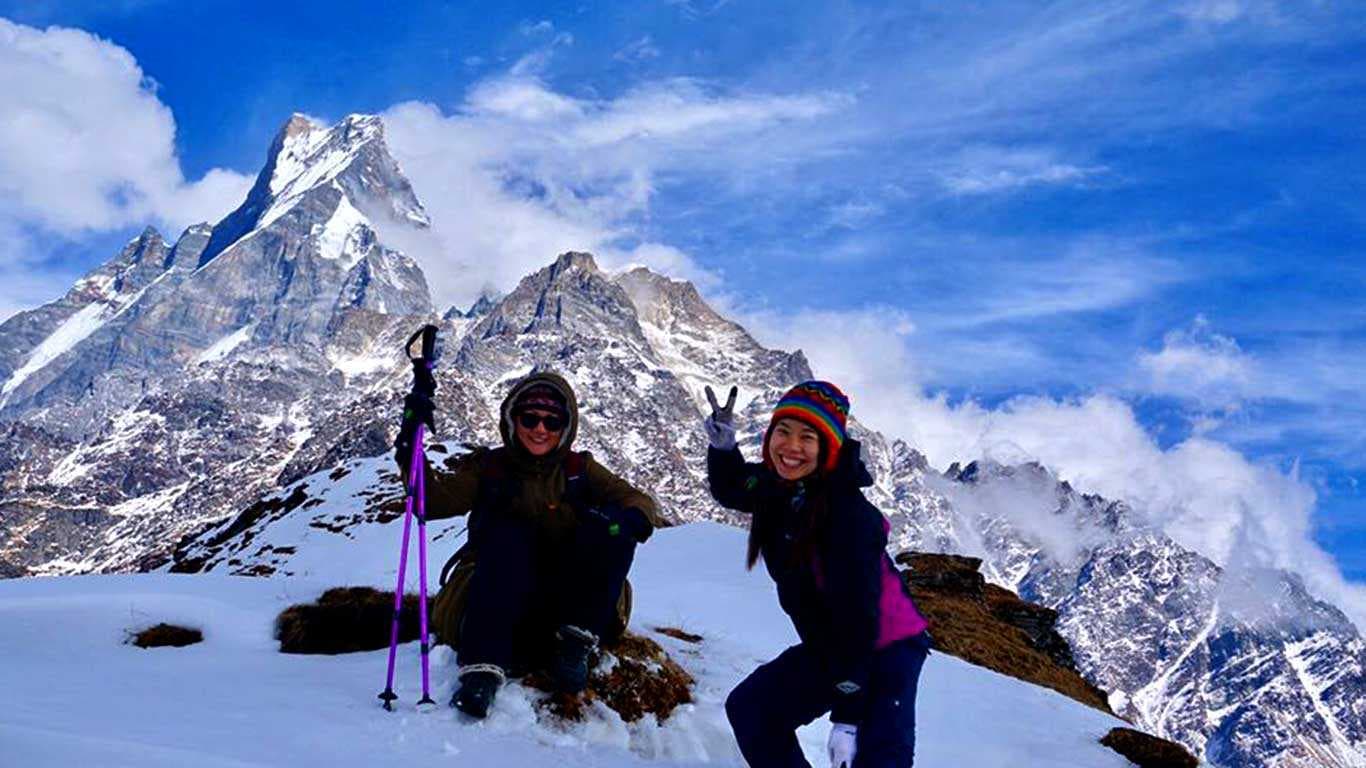
The trails are full of beautiful sights as we make our way to the base camp. It offers spectacular views of the Mardi Himal (5,500 meters), Mt. Machhapuchhre (6,993 meters), and some parts of Annapurna.
Furthermore, this stunning walk is great for hikers on a budget and with limited time on their hands. We offer this walk at a fair price and take care of all logistics so you can relax and enjoy your journey.
Trip Highlights
Hike in the Annapurna’s off the beaten track, which is relatively new, is less crowded
Relish the views of Mardi Himal, Annapurna South, Machapuchhre, Hiunchuli, and other peaks
Traverse through rhododendron groves that are in full bloom (in March-April)
Get insights into the Nepali culture, indulging in the daily lifestyle of the locals
Picture-perfect vistas from the low camp, high camp, and base camp
Get a glimpse of traditional Nepali villages and taste the warm hospitality of the localities
Mardi Himal trek difficulty level
The Mardi Himal Budget Trek is a reasonably short and moderate trek. It requires minimal technical skills. The lush green trees dominate the lower part of the trek. The upper levels have more exposed and rocky terrain.
The journey from the High Camp to the Mardi Himal Base Camp is the most difficult part of this trek. The trail becomes steeper and rougher on this day. However, the majority of the hike is comfortable. It is a pleasant and pleasurable walk.
Is the Mardi Himal trek for beginners? This trip is appropriate for the novice as it does not require any experience. They are suggested to complete the necessary preparation and do cardio-related training.
Mardi Himal trek permit cost
Mardi Himal lies in the Annapurna region. As such, trekkers must obtain the Annapurna Conservation Area Permit (ACAP) to trek in the Mardi Himal Trail. Besides ACAP, you will need the Trekkers Information Management System (TIMS). The cost of these permits is:
ACAP: NRP. 3000 (~USD 30) p/p for foreigners, NRP. 1000 (~USD 10) p/p for SAARC Nationals
TIMS: NRP. 2000 (~USD 20) p/p for foreigners, NRP. 600 (~USD 6) p/p for SAARC Nationals
The permit fees are within the package cost. So, the trekkers must not worry about this subject.
Best time for the Mardi Himal trek
Mardi Himal Trek is considered an easy to intermediate level trekking location in Nepal. Due to which it is accessible throughout the year. You can take it up in spring, Summer/Monsoon, autumn, and winter.
The ideal time to trek the Mardi Himal is during the spring (March-May) and autumn (September-November) seasons. During this time, the weather will be constant, and you will have the best views of the scenery.
The clear sky and tranquil setting allow you to take in the best views of the surrounding foliage and snow-capped peaks. Because the weather is neither too hot nor too cold these seasons, you'll be able to trek at the ideal time of year in the region. Also, the rich Rhododendron forests blossom in reds and whites during the spring season.
Do you wish to avoid the crowds and experience the hike in complete isolation? Try taking the Mardi Himal trek in summer (June-August) or winter (December-February).
During the summer and monsoon, it rains almost every day. It makes the trails and route muddy and slippery, making this the most challenging part of your walk. The Annapurna region, on the other hand, appears spectacular after the rain. You get a stunning panorama of natural beauty.
During the winter, most of the paths leading to the Mardi Himal may be covered in snow, and the environment gets extremely dry and chilly. As a result, most tourists avoid trekking to the Mardi Himal during the winter. But the region's visual splendor and snow-covered mountains, during this time, are stunning. One disadvantage of this season is that some passages may be covered by snow due to heavy snowfall, preventing tea houses from operating.
Itinerary Detail
Mardi Himal Budget Trek Packing List
 General
Backpack (40-50L for summit day)
Duffel bag (carried by porter/yak)
Sleeping bag (rated to -20°C or lower)
Sleeping pad (for extra insulation)
Headlamp with extra batteries
Sunglasses (category 4, glacier glasses)
Water bottles (2x 1L) or hydration bladder
Thermos (optional but useful at high camp)
Water purification (tablets or filter)
Trekking poles (collapsible)
Personal toiletries (toothbrush, toothpaste, wet wipes, etc.)
Sunscreen (SPF 50+)
Lip balm with SPF
Personal first aid kit
Snacks (energy bars, gels, trail mix)
High-altitude medications (Diamox, ibuprofen, etc.)
Passport and permits (TIMS, climbing permit, etc.)
Camera or phone with charger/power bank
Dry sacks or waterproof stuff sacks
 Upper Body
Sun hat or cap
Buff or neck gaiter
Warm hat (fleece or wool)
Balaclava (for summit night)
Lightweight base layer (synthetic or merino)
Mid-weight fleece or softshell jacket
Insulated jacket (down or synthetic, for cold evenings)
Heavy-duty down jacket (for summit push)
 Torso
Torso
Short-sleeve trekking shirts (2-3, moisture-wicking)
Long-sleeve trekking shirts (2)
Lightweight fleece or merino base layer (1-2)
Insulated vest (optional)
Hardshell jacket (waterproof/windproof with hood)
 Lower Body
Trekking pants (2)
Thermal base layers (2 pairs, merino or synthetic)
Softshell pants (for cold days)
Hardshell pants (windproof and waterproof)
Insulated pants (for summit night)
Shorts (optional for lower altitudes)
 Hands
Hands
Lightweight liner gloves (fleece or synthetic)
Windproof gloves
Insulated mittens or gloves (for high camp/summit)
Extra pair of gloves (backup)
 Feet
Feet
Trekking socks (4-5 pairs, wool or synthetic)
Thermal mountaineering socks (2 pairs)
Trekking boots (well broken-in, waterproof)
Mountaineering boots (double-layer for summit)
Camp shoes (Crocs or sandals)
Gaiters (for snow and scree protection)
 Undergarments
Moisture-wicking underwear (4-5 pairs)
Thermal underwear (2 sets, for sleep and summit)
Departure Dates
What is Included / Not Included
- Airport transfers (pick-ups and drop-offs)
- Travelers/tourist standard twin sharing hotel accommodation in Kathmandu and Pokhara
- Daily Breakfast in Kathmandu & Pokhara at Hotel
- Twin sharing tea house accommodation throughout the trekking journey
- Daily Breakfast at Tea House during the trek
- Transfer from Kathmandu – Pokhara – Kathmandu by tourist bus
- Annapurna Conservation Area Project (ACAP)
- TIMS (Trekking Information Management System) card
- An Experienced Mountain Guide
- All Wages, Fees and Travel and Medical Insurance for Guide
- First Aid Kit
- All government taxes
Accommodation
For this low-cost tour, travelers/trekkers will be supplied with standard accommodations in Kathmandu and Pokhara on a twin-sharing basis. You can also book a single supplement on request, although it will likely cost more than the standard rates.
During the trekking period, teahouses are used as lodging on a twin-sharing basis. Teahouses along the Mardi Himal trail provide basic facilities or services, such as a room with a wooden bed, a plain mattress or foam pad, a cotton pillow, and a blanket or quilt.
They all have electric lights and a large dining room and lounge. The bathrooms are generally shared, and there is no running hot water throughout the walk. But a bucket of warm water can be purchased for a fee.
Meals on Mardi Himal Budget Trek
Your hotels will provide you with breakfast in Kathmandu and Pokhara. For lunch and dinner, you will have to pay extra and can choose the menu from any corner of the world.
Although the teahouses along the trail do not offer the same range of cuisine as other commercial treks, they do have a sufficient selection.
Dal Bhat (rice with lentil soup and seasonal veggies), Thukpa (noodles with soup), mo:mo (dumplings/potsticker), pasta, chapatis, eggs, and fries are all commonly available.
Tea and hot lemon are the usual trail refreshments. However, coffee is available everywhere. Bottled soft drinks, bottled water, and even beer are available, but the price of each bottle increases with each passing day.
Drinking Water During Mardi Himal Budget Trek
Proper hydration for the Mardi Himal Budget Trek is necessary for any climber. Thus, water is available at all different stages of the expedition, from lower trekking routes to higher base camps.
The lower areas have local streams and teahouses. The climbers can refill their water bottles for a fee in teahouses and lodges.
In areas that are quite far from civilization, it's the climbing team's forethought that safe drinking water is always available. They do it by purifying the water through means such as boiling and water purification tablets.
They are also advised to drink plenty of water for hydration and to avoid altitude sickness. They will get ample opportunities to replenish their stock of water along the trek.
Proper hydration aids not only in physical performance. It also plays a very important role in acclimatization during the expedition itself.