Humla & Kailash Saga with Western Tibet
Download Itinerary

Share with your friends
Trip Information

32 days

Drolma La pass 5630

Moderate

Kathmandu

Kathmandu

Trekking


Trip Highlights
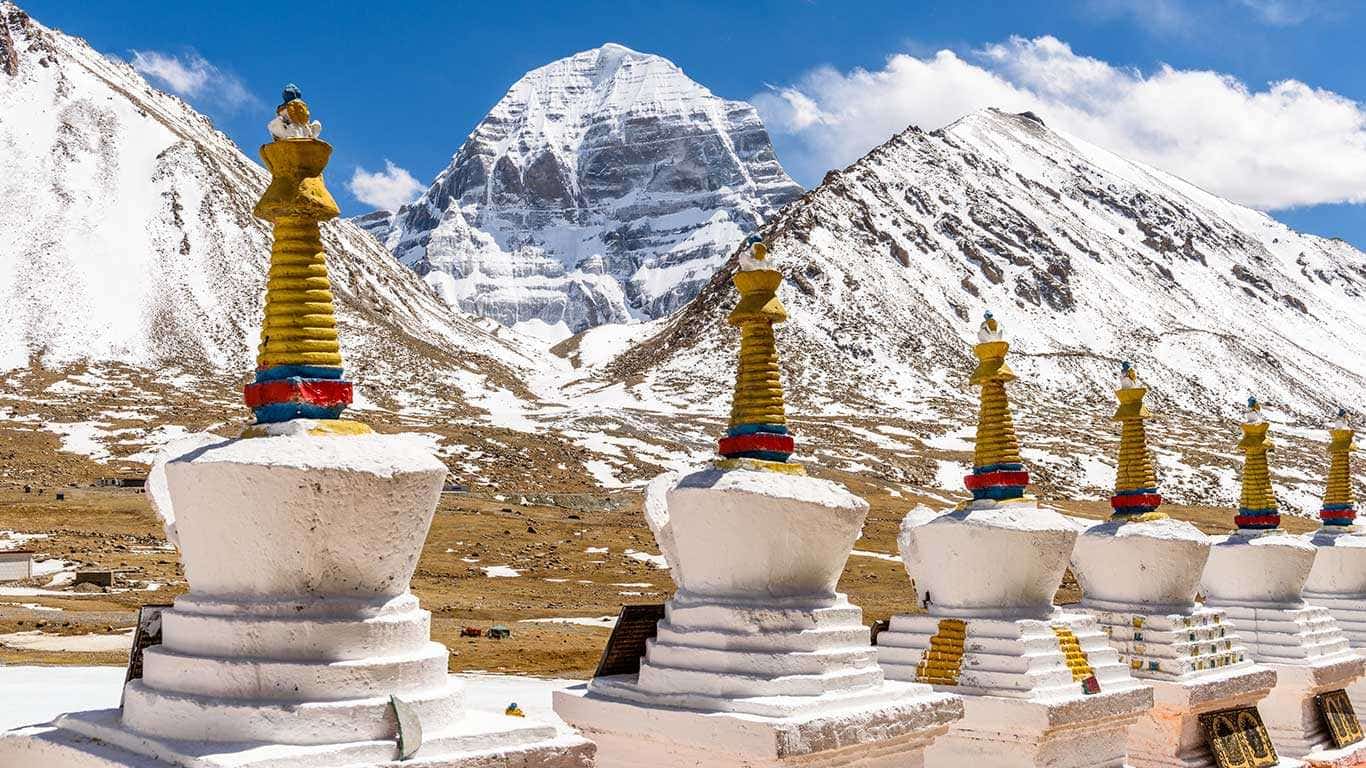
Sacred Mountain Mt. Kailash
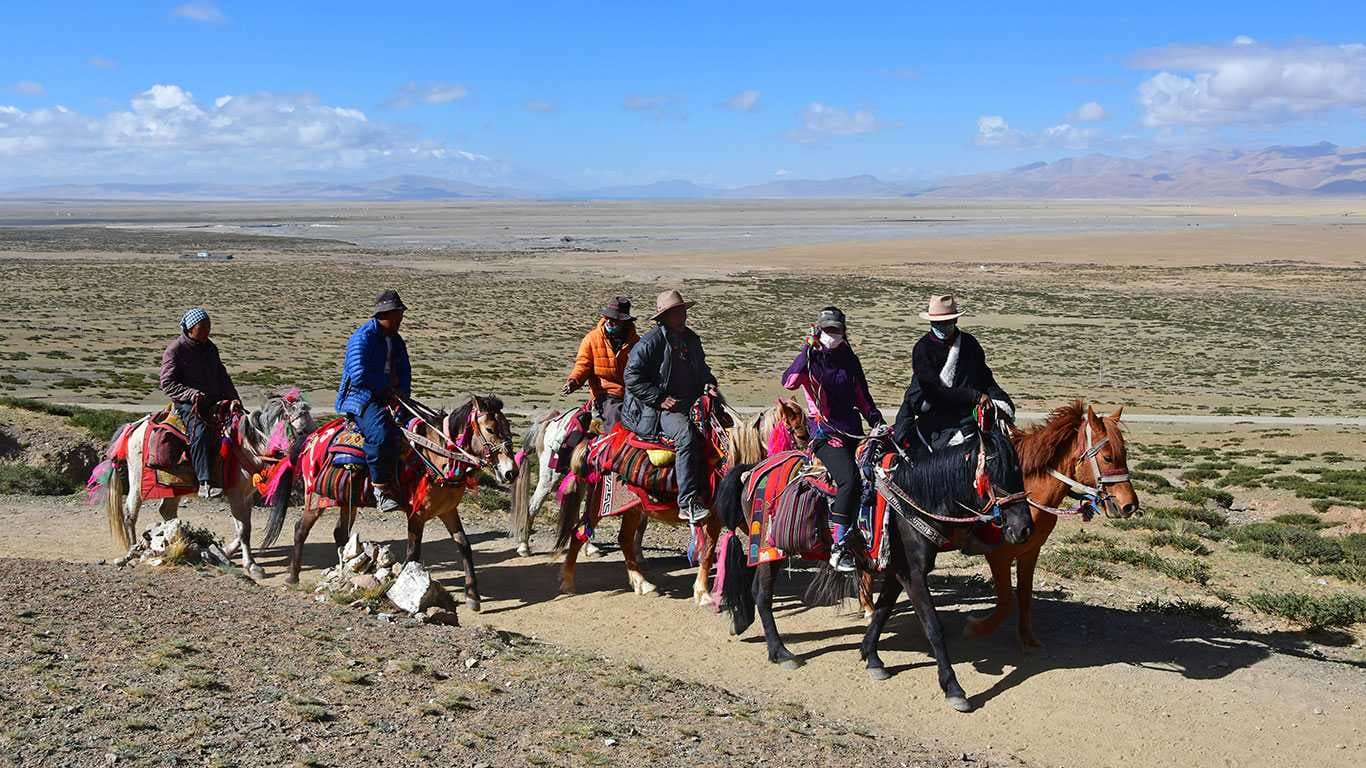
Traditions and culture of Local Bhotias
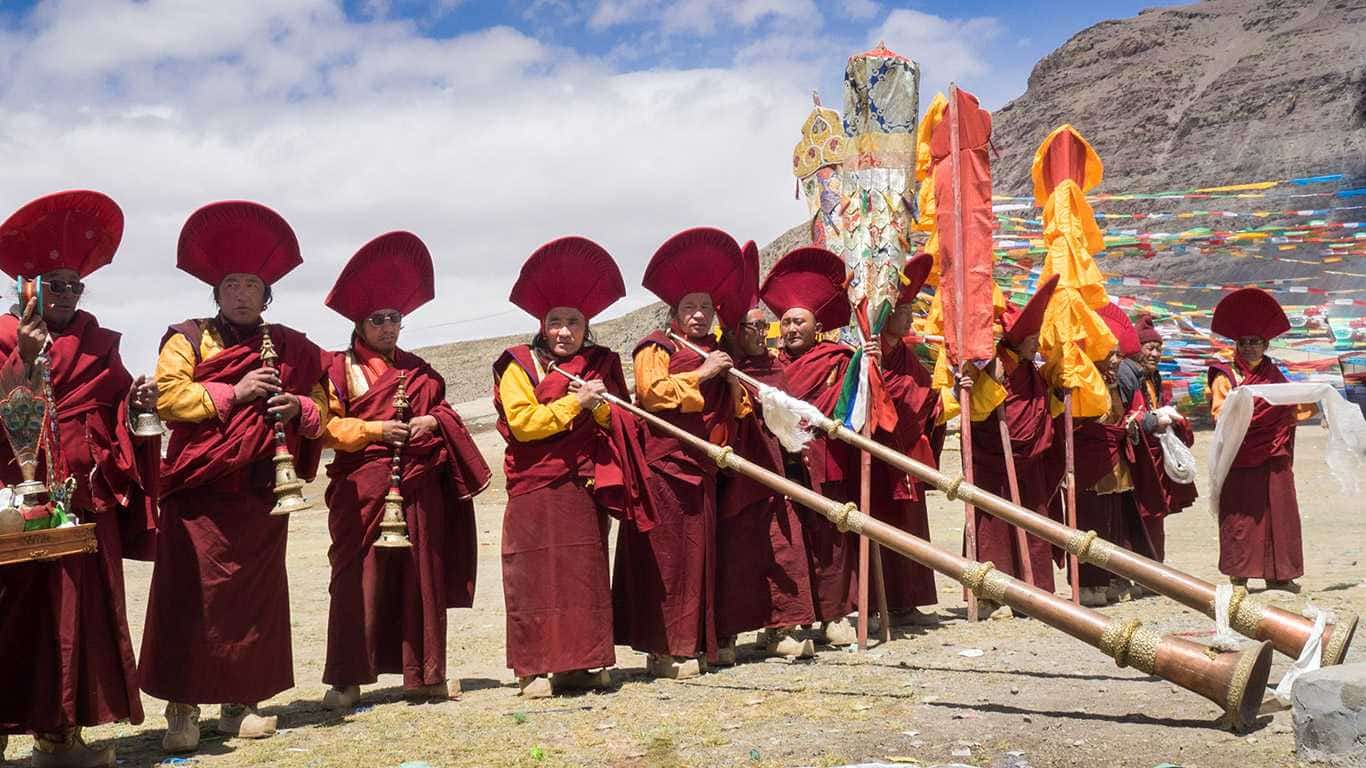
Saga Dawa Festival
Passes over 5000 m
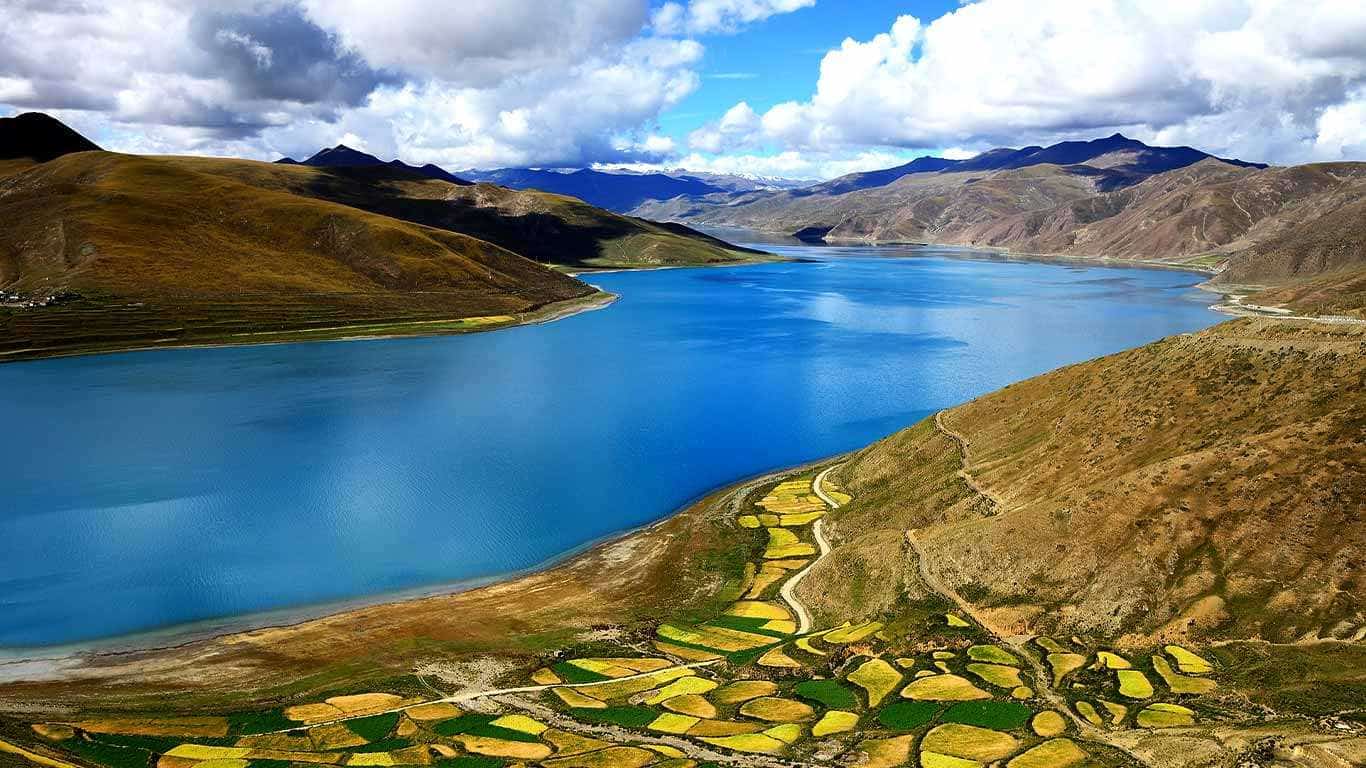
Crystal clear Manasarovar Lake
A pilgrimage site for both Hindus and Buddhists
A mix of Buddhism and Bon Po culture
Humla & Kailash Saga with Western Tibet Overview
This is a Three-in-One Trek that is the combination of Humla (Limi Valley), Kailash Saga Dawa & Guge Kingdom, Western Tibet. Our road to the sacred Mount Kailash begins from the renowned Humla, located in the far west of Nepal.
The starting point of our journey is a wild trek from Simikot to remote Limi Valley, following up the trails along the Tibetan border, encountering the locals - Bhotias (Tibetan Tribe).
The road to the valley is filled with immense beauty of Nepal and remains of the Old Era Silk route, where you can witness old men (more of Asian descent) cherishing their hookah, rather surprising Rajasthan women ornamented with all sorts of round traditional jewelry made from mirrors and silver coins and of course the Bhotias, covered with a turquoise attire and amber necklaces performing their pujas in Tibetan Buddhist Gompa, which reminds us that animism and shamanism persist in this very part of the world.
Humla & Western Nepal
The Nyimba Valley, in Humla, is the region where fewer tourists make a trip due to the less prominence of human sightings. It only comprises four villages, and the locals are too spiritual, practicing their old religion.
While we continue our trekking, we encounter many eternal villages and monasteries guiding us through the Saipal range and revered Takh and Changla Himalayas.
The land is still flourishing with high grasslands, frozen lakes, engaging rivers, mountain ranges, and varieties of flora and fauna. One of the endangered species of Snow Leopard is still visible in secluded mountains.
Humla particularly stands out from the other regions of Nepal due to a unique touch of Central Asian culture in the region.
Kailash & Western Tibet
One of the most famous places, Mount Kailash, located in the far western Ngari province of Tibet, is known to the Tibetans by the name of ‘precious snow peak’.
Conjoining with Buddhist and Hindu beliefs, Mount Kailash serves as the home to their supreme god. Without a doubt, Kailash is the most sacred place in Asia, revered by Hindus, Buddhists, Jains, and other ancient religions.
According to the belief, Mount Kailash serves as the pathway to atone for the sins of life. One cannot take a trip to Mount Kailash without dipping in the waters of Lake Manasarovar. It is more of a religious practice followed by all people irrespective of their religion.
Mount Kailash is peaking at 6714 meters, accounting for the snow-clad mountains, filled with the Tibetan pilgrims alongside the valley to pay homage to their sacred place.
Four great rivers of Asia: the Ganga (Karnali), the Indus, the Sutlej, and the Tsangpo (Brahmaputra) flow around the never-ending Tibetan plateau.
The locals refer to the regions of Humla and Ngari as the real Shangri-La. This certainly calls for a visit to make it worthwhile.
Best Season For the Trip:
The best seasons for this three-in-one trekking package are Spring, Monsoon, and Autumn. The destinations for this package fall in the rainshadow area. Thus, trekking during the summer/monsoon is possible.
Spring
Saga Dawa festival usually falls in May or June, depending on the Lunar Calendar. Therefore, spring is one of the best seasons to trek in this package.
Treks during this season offer clear skies, giving a spectacular view of the Saipal and Changla ranges.
Monsoon
Falling in the rain-shadow area gives an edge to these places. As such, while the rest of Nepal and Tibet get heavy rain, the trails in this trip remain dry.
The high grasslands are in full bloom with active wildlife. Flights in Nepal could see delays in the initial part of the trip.
Autumn
Fall is the best season for trekking in the Himalayas. Autumn offers the clearest sky and stable weather throughout the trip.
The days remain cool, but nights start getting chilly. Autumn is best recommended for photographers due to the crisp view of the mountains.
Winter
Winter is one month to avoid Humla & Kailash with the Western Tibet trek. The passes between Humla and Tibet become impassable due to heavy snow.
The region sees a heavy drop in temperatures. Most stops have below-freezing temperatures.
Why choose Himalayan Trekkers?
Himalayan Trekkers has over two decades of experience in planning trips and treks in the Himalayas. We have a committed staff of seasoned guides and porters. As such, the treks are safe and filled with insightful information.
We pride in customizable itineraries to meet your tastes. Our packages have transparent and unbeatable pricing, with responsible and eco-friendly tourism.
Contact us now and learn about the prime date to start this trip. We can plan your next visit to fall with the Saga Dawa festival in Kailash.
Itinerary Detail
Departure Dates
What is Included / Not Included
- Tibet Permit
- Entry Fees
- Airport Pick-up and Drop off
- Transportation as per itinerary (Flight & Private vehicle)
- Guide, Driver, and Porter
- Meals as per the itinerary
- Accommodation as per the itinerary
- Welcome/Farewell Dinner
- All Taxes and surcharges
Accommodation
Himalayan Trekkers promises to manage the best, most comfortable, and preferred accommodation.
Generally, in cities like Kathmandu and Nepalgunj, we arrange basic three-star facilities. If available, you can opt for a more budget-friendly option or upgrade to a more luxurious hotel by paying a little extra.
Although not all the places offer modern facilities, we will make sure to arrange safe and comfortable accommodation. In general, hygienic and safe tea houses/local lodges/ home-stays with all the basic facilities are arranged. But you can, if possible, personalize according to your preference.
If your itinerary includes camping or you choose to experience camping during your travel, a proper camping-site will be pre-decided. If required, we also provide the basic equipment, which is refundable. Please check the Gear-List and Requirement List for more information.
Meals
Breakfast is usually included with your B&B Accommodation within the cost that is evident.
For other meals in the city, you would have to pay separately. Often in the cities, you can choose from many different cuisines and varied food services. We can always help you find the right place to fit your taste.
In more remote areas, usually, there are not many options. But you can always find hygienic and well-prepared food. Moreover, almost all the meals during the trek are included in the cost. We can help you make changes according to your preference and budget, but only if choices are available!
On top of that, Himalayan Trekkers also organizes Welcome or Farewell Dinners as a symbol of warm greetings.
Please go through the detailed itinerary for more information. We are always there to help you travel to your heart’s content.
Drinking Water
You can find many sources of drinking water. Firstly, you can refill drinking water from the teahouse and shops on the trail for a small fee. The other option is to treat spring water or tap water with iodine tablets or UV lights.
Last and least recommended option is to buy bottled water in teahouses. The prices for bottled water rise as you go higher up. Likewise, use-and-throw bottles pollute nature, making it the last option for drinking water.