
Gaurishankar Foothills Trek | 12-Day Trek in Solitude
Download Itinerary

Share with your friends
Trip Information

12 days

Tinsang La (3,300m)

Moderate

Kathmandu

Kathmandu

Trekking


Trip Highlights
Explore Nepal’s hidden middle hills and traverse trails once used by the first Himalayan expeditions
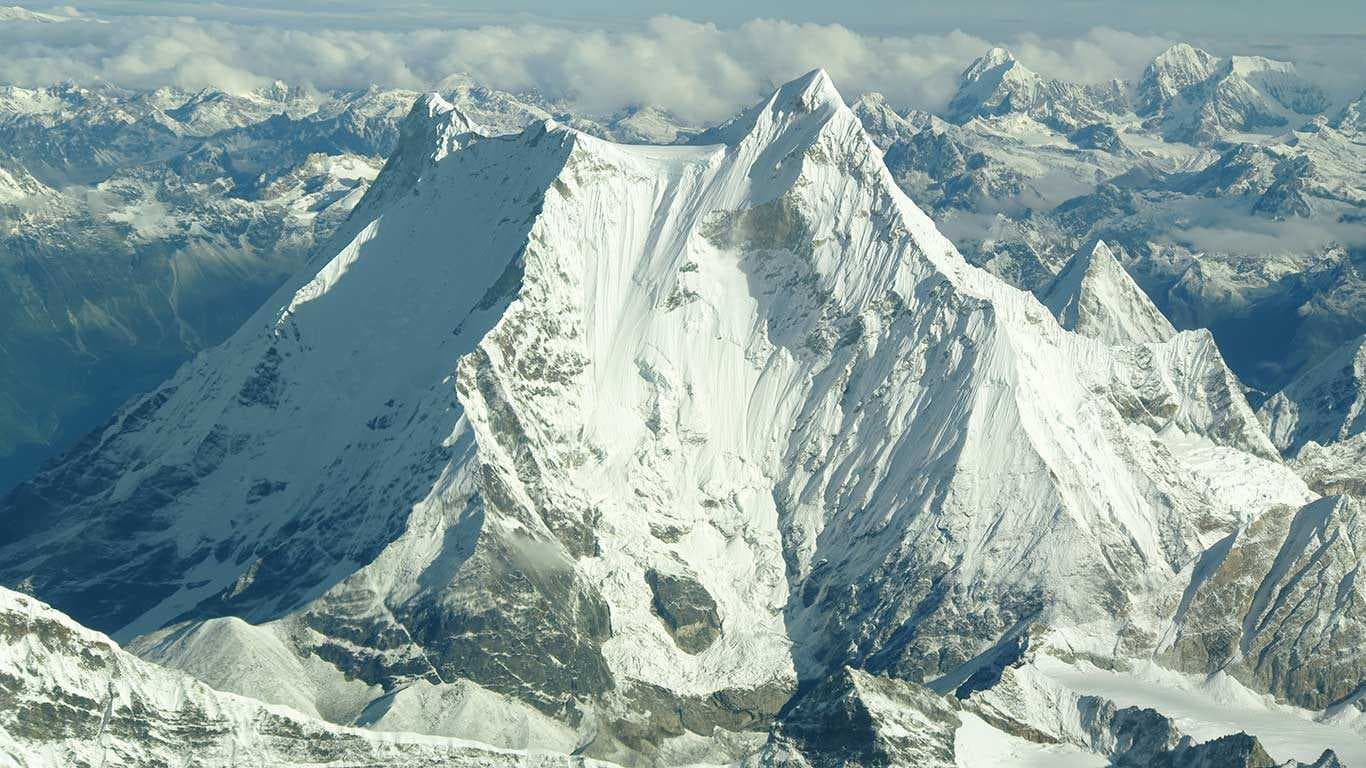
Witness jaw-dropping mountain panoramas of Gaurishankar (7,000 m), Cho-Oyu, Everest, Nuptse, and Makalu
Trek through remote villages and pristine landscapes, soaking in authentic local culture away from the crowds
Reach the scenic Tinsang La (3,300 m) for unforgettable Himalayan vistas
Visit the unique Kargyupa Nunnery at Bigu Gompa, a spiritual gem tucked in the hills
Enjoy a moderate trek perfect for first-timers and regular hikers with minimal altitude concerns
Experience a peaceful, time-locked region where nature and tradition remain untouched
Gaurishankar Foothills Trek | 12-Day Trek in Solitude Overview
The stunning landscape and time-locked city of Lapchi Kang are true gems of Nepal’s middle hill region. Follow this exciting journey (Gaurishankar Foothills) as we trek over hills and valleys.
You travel through remote villages and on old trails in the region. Get some of the very first expeditions to the Himalayas that were traversed.
Gaurishankar Foothills Trek Route
We begin our passage from Jiri and proceed along ridges. Then we cross rivers to enjoy spectacular views of the 7,000 m Mount Gaurishankar peak.
You can find incredible mountain panoramas from the Tinsang La. This trek is a great way to experience the age-old culture of the region away from the rigors of city life.
Expect to accumulate a healthy amount of elevation without actually gaining much net elevation. We remain well below the tree line, with our highest point being at Tinsang La (3,300 m).
The smooth nature of the terrain requires active hiking capabilities and provides a good workout for the muscles.
There should be no issues related to acclimatization, as we will not gain much net elevation. Gauri Shankar Foothills Trek is a moderate-level trek that is also best for first-time hikers and regular trekkers.
Gaurishankar Foothills Trek Difficulty
The Gaurishankar Foothills Trek is graded as a moderate-level journey. As such, most new trekkers can take this journey. First-timers will need to be physically fit to tackle this trip.
Regular hikers and newbie trekkers can enjoy a cultural and scenic route. The Gaurishankar Foothills Trek is perfect for travelers wanting a non-technical Himalayan adventure.
The altitude remains manageable. But the trail involves frequent ascents and descents, needing good stamina. The trek challenges your body while immersing you in nature.
The journey stays below 3,500 meters. As a result, altitude sickness is not a big issue in this trek.
Why Gaurishankar Foothills Trek?
Trekking through the exceptional landscape of Nepal’s Middle Hills.
Unspoiled mountain scenery.
One of Nepal’s highest passes and stunning views of Cho-Oyu, Everest, Nuptse, and Makalu.
The unique Kargyupa Nunnery at Bigu Gompa.
Spectacular mountain panorama from the Tinsang La.
Best Season for Gaurishankar Foothills Trek
Choosing the right season makes a big difference in Nepal’s treks. Views and trail conditions, cultural experience depends on the weather.
Spring (March to May): Best for Scenery & Comfort
Spring is one of the most beautiful times to explore the Gaurishankar foothills.
Blooming rhododendron forests across the hills
Pleasant temperatures for trekking
Clear views of Mount Gaurishankar
Crisp view of the surrounding ranges
Longer daylight hours
Autumn (September to November): Best Overall Season
Autumn is the most reliable and popular trekking season in Nepal.
Crystal-clear skies and excellent visibility
Dry, stable trails after the monsoon
Best panoramic views from Tinsang La
Ideal temperatures for walking
Monsoon (June to August): Challenging Conditions
Slippery trails and muddy paths
Leeches in forest sections
Cloud cover is blocking mountain views
Winter (December to February): Cold & Limited Views
Cold mornings and evenings
Fog can reduce visibility in hill regions
Shorter trekking days
Practical Information
You can plan your trek effectively if you know the rhythm of the mountains. The Himalayas are dictated by altitude and season. It directly influences what you eat and what you must pack.
Weather & Climate
Himalayan weather is famously unpredictable. It follows a distinct four-season cycle: summer, autumn, winter, and monsoon.
Spring (March–May):
Mild and colorful. Daytime temperatures at mid-altitudes range from 15°C to 22°C. The nights above 4,000m can still drop to -5°C. This is the best time for rhododendron blooms.
Autumn (Sept–Nov):
Crystal clear and stable. Expect crisp air and sharp mountain views. Days are a pleasant 10°C to 18°C, but nights at high-altitude base camps can plummet to -10°C.
Winter (Dec–Feb):
Deep blue skies, but extreme cold. Trails are quiet, but you must be prepared for temperatures as low as -20°C at night and potential snow-blocked passes.
Monsoon (June–Aug):
Wet and humid. Clouds often hide the peaks, and trails can be slippery with leeches in the forest zones.
Food & Hydration
Teahouse menus are surprisingly diverse, but stick to the "Trekker’s Rule."
The Power of Dal Bhat:
This lentil, rice, and vegetable set is the ultimate fuel. It’s fresh, healthy, and comes with free refills. It is crucial for high-calorie burn days.
Avoid Meat at High Altitude:
Beyond 3,000m, meat is often carried up by porters without refrigeration. Stick to vegetarian options (pasta, potatoes, etc) to avoid stomach issues.
Safe Water:
Never buy plastic bottles. Use reusable bottles with purification tablets or a high-quality filter (like a LifeStraw) to save money and protect the environment.
Essential Permits
TIMS Card
National Park/Conservation Area Permits
Strategic Packing List
Base Layer
Insulation
Windproof Shell
Sturdy, Broken-in Footwear
A 30–40L daypack
A polarized sunglasses
SPF 50+ sunblock
A headlamp with extra batteries
Itinerary Detail
Departure Dates
What is Included / Not Included
- Arrival & Departure transfer as per itinerary
- Guided Sightseeing in Kathmandu as per itinerary
- 3 star hotel accommodation with breakfast in Kathmandu as per the itinerary
- Private Transfer to/from Trekking Starting Point
- Heritage & Monuments Entrance fees in Kathmandu as per itinerary
- Gaurishankar Conservation Fees, TIMS fees, and Local Province Fees
- An experienced Guide and required Sherpa Porters
- Best Available Guest House/Homestay Accommodation during the trek
- All Meals ( BLD) during the trek
- All Wages, equipment, Allowance, Insurance for Guide & Porters
- A Comprehensive Medical Kit/First Aid
- Welcome/Farewell Dinner
- All government taxes and official expenses
Accommodation
Himalayan Trekkers promises to manage the best, most comfortable, and preferred accommodation. Generally, in cities like Kathmandu, we arrange basic three-star facilities. I
f available, you can opt for a more budget-friendly option or upgrade to a more luxurious hotel by paying a little extra.
Although not all the places might have all the modern facilities, we will make sure to arrange safe and comfortable accommodation.
In general, hygienic and safe tea houses/local lodges/home-stays with all the basic facilities are arranged. But you can, if possible, personalize according to your preference.
If your itinerary includes camping or you choose to experience camping during your travel, a proper camping site will be pre-decided.
If required, we also provide the basic equipment, which is refundable. Please check the Gear-List for more information.
Meals
Breakfast is usually included with your B&B Accommodation within the cost that is evident. For other meals in the city, you would have to pay separately.
Often in the cities, you can choose from many different cuisines and varied food services. We can always help you find the right place to fit your taste.
In more remote areas, usually, there are not many options. But you can always find hygienic and well-prepared food. Moreover, almost all the meals during the trek are included in the cost.
We can help you make changes according to your preference and budget, but only if choices are available!
On top of that, Himalayan Trekkers also organizes Welcome or Farewell Dinners as a symbol of warm greetings.
Please go through the detailed itinerary for more information. We are always there to help you travel to your heart’s content.