Everest Kangshung Face Trek
Download Itinerary
Share with your friends
Trip Information

21 days

Langma La Pass 5320 M

Moderate

Kathmandu

Kathmandu

Trekking


Trip Highlights
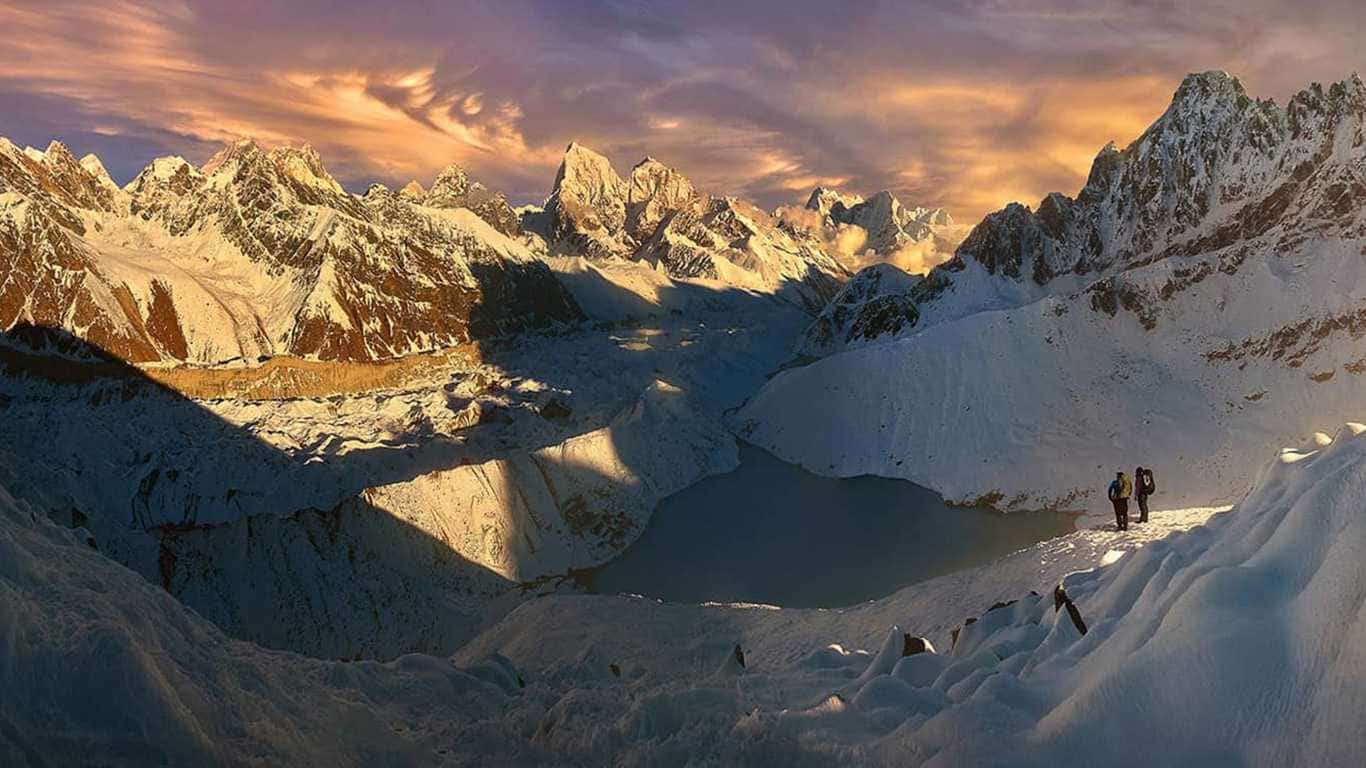
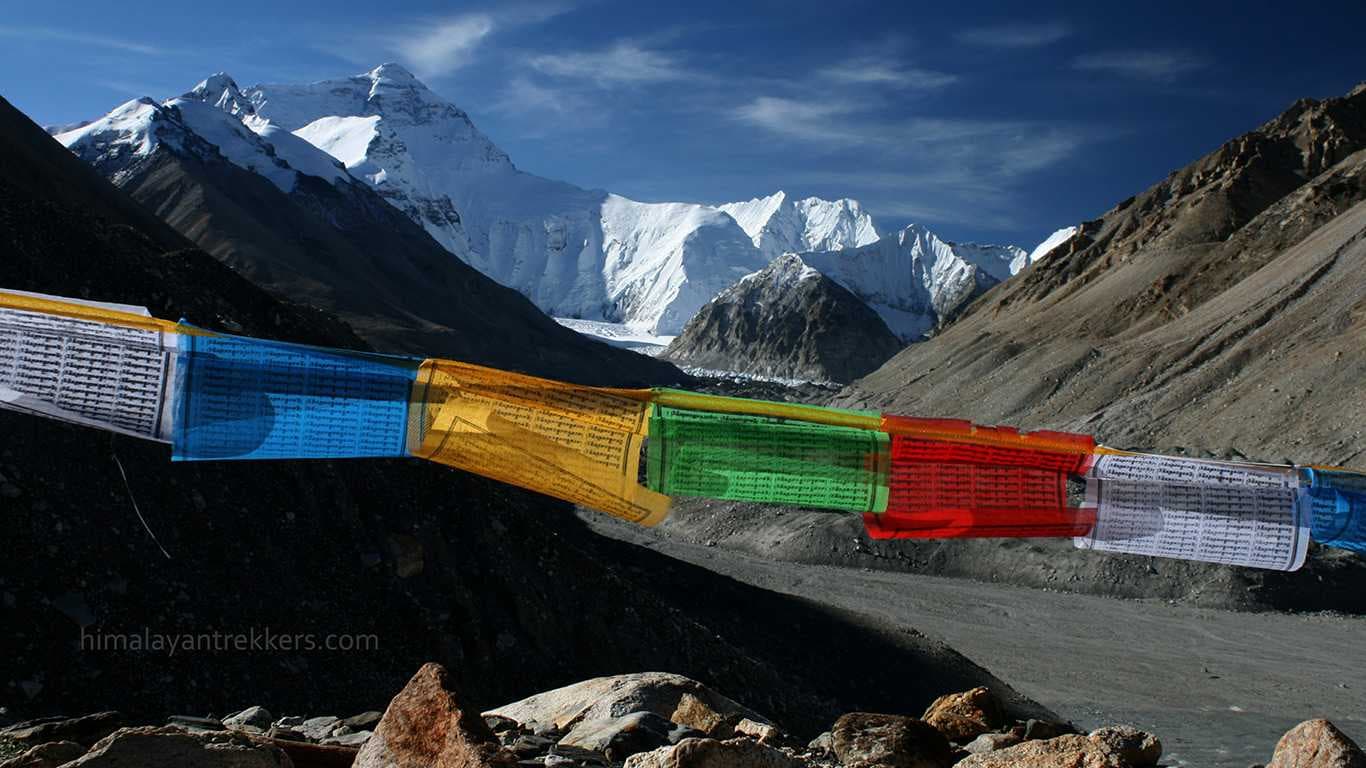
Stunning Views of Mount Everest: Trek through pristine landscapes with breathtaking views of the majestic Kangshung Face of Mount Everest, one of the least explored sides of the mountain.
Remote and Off-the-Beaten-Path Adventure: Experience a more secluded trek, away from the crowded routes of the traditional Everest Base Camp, offering peace and solitude amidst nature.
Cultural Encounters with Tibetan Communities: Pass through traditional Sherpa villages and Tibetan Buddhist monasteries, where trekkers can learn about local culture and heritage.
Diverse Ecosystems and Wildlife: Explore a variety of ecosystems, from lush valleys to alpine meadows, with opportunities to spot wildlife such as musk deer, Himalayan tahr, and a range of bird species.
Challenging Terrain and High-altitude Experience: Conquer rugged, challenging terrain with high-altitude passes, providing a thrilling experience for seasoned trekkers seeking a more adventurous challenge.
Everest Kangshung Face Trek Overview
The Everest region offers many kinds of treks and climbs. Some are more beginner-friendly than others. Many treks in the area remain crowded, but the Everest Kangshung Face Trek is a journey with less traffic than most in the region.
Why trek the Everest Kangshung Face
Everest Kangshung Face Trek is considered the best way to get near the majestic summit of Mount Everest. Designed for those non-seasoned climbers, the trek route offers captivating terrain with a variety of flora throughout the trek. We will also be able to experience the firsthand culture of the Sherpas.
Hiking through alpine forests, crossing glacial lakes and lush farmlands, we make our way to the hidden face of Mount Everest, christened Kanshung. Contrary to popular trekking routes, we begin our trek from Lhasa (3700 m).
We will also visit versatile remote villages with vibrant culture and color. The journey to Kangshung Face Trek is designed to help hikers acclimatize gradually to the elevation gain and follow the winding, safe ridges and trails in a bid to garner some of the most fantastic views that the region has to offer.
We encounter the villages of Shigatse, Shegar, and the scenic Pang La Pass along the way, and experience firsthand the culture and heritage of the local population.
Everest Kangshung Face Trek Difficulty
The Everest Kangshung Face trek difficulty can be set as difficult. Although the trek isn’t too long, it is still challenging due to the high passes and campsites we encounter.
The highest point we reach is the Langma La Pass (5320 m), and the trek on mountain scree to reach Pethang Ringmo is one of the most adventurous parts of our trek.
During the trek, we face the remote wilderness of the Everest region. Unlike the Annapurna Circuit, you will not encounter luxury teahouses in this trek. It is a true adventure with tented camp stays and climbing technical terrain.
Kangshung Face Trek is a step-up trek, a perfect way for someone to test their limits. More so, for those trekkers who have already covered the Southern Everest Base Camp, in Nepal side.
Best Season for Everest Kangshung Face Trek
The Everest Kangshung Face trek is significantly more weather-dependent. It is a wilderness expedition in the high Himalayas. The trail takes you through remote locations and high passes, which adds to the difficulty of the journey.
Similar to most treks done in the high Himalayas, autumn and spring are the best seasons for the Kangshung Face Trek. The winter and monsoon aren’t recommended for trekkers.
Why trek in Autumn
Autumn is the golden season for trekkers, as it offers the clearest sky. During the post-monsoon season, the rain will have cleared the dust, offering the sharpest view of the Kangshung Face.
This season offers stable weather, making treks in Kangshung a lot safer. The crisp air and view offer trekkers a relaxing time during the trek. The season starts in mid-September and ends in October.
Spring
It is an ideal season to trek in the Himalayas for nature enthusiasts. During spring, the trails through the Kama Valley come alive with wildflowers and rhododendron.
The rising temperatures and long days allows you to trek more on a clear sunny day. While the mornings reamain clear of clouds, the mountains get cloudy during the afternoon. Nevertheless, spring is the second most trekked season ithe Himalayas.
Seasons to Avioid
First up summer/monsoon season. It is the riskest season to trek in the Himalayas. Heavy rains make the steep roads and mountain travels dangerous. Landslides become commond during the summer/monsoon season. Mostly in Kerung or Rasuwagadhi area have emmence chances of having an accidend during treks.
The next season to aviod trekker in Everest Kangshung Face Trek is Winter. The Lagma La pass turns impassable. Furthermore, most teahouses and campsites in the remote Kama Valley remain closed. Also, the area can dromp below -30 degree celcious.
Major Highlights of the Tibetan Khangshuang Face
One of the most dramatic, beautiful, but least explored regions in the world.
Explore Landmarks like Lhasa, Gyantse, Shigatse, Rongbuk, and Zhangmu.
Visit the vibrant city of Kathmandu.
A panoramic and lifetime memorable view of Everest.
Traditional and unique Tibetan villages, cultures, and hospitality
The dramatic panoramic view comprises distant Kanchenjunga, Makalu, Chomo Lonzo, and Everest itself.
Why Choose Himalayan Trekkers?
Chooing Himalayan Trekkers for Everest Kangshung Face Trek the best experience. We ensures you a journey with expert logistics, sersonalized safety, with deep cultural insight.
Himalayan Trekkers have a twove decades of experinece in trekking the Himalayas of Nepal, Tibetm and india. We specialize in complet high-altitude journey.
Besides, Everest Kangshung Face Trek, we offer hundreds to packages. Each more exciting than the last. Contect us today to inquire about this or any other treks. Reach us on WhatsApp or Email for further information.
Itinerary Detail
Departure Dates
What is Included / Not Included
All airport transfers
TIMS
Permit
Entry Fees for heritage sites
Tibet Visa Fee
Airport Pick-up and Drop-off
Transportation as per itinerary
Guide, Driver, and Porter
Meals as per the itinerary
Accommodation
Welcome/Farewell Dinner
All Taxes and surcharges
Accommodation
Himalayan Trekkers promises to manage the best, most comfortable, and preferred accommodation. Generally, in cities like Kathmandu and Lhasa, we arrange basic three-star facilities. If available, you can opt for a more budget-friendly option or upgrade to a more luxurious hotel by paying a little extra.
Although not all the places may have all the modern facilities, we will make sure to arrange safe and comfortable accommodation. In general, hygienic and safe tea houses/local lodges/ home-stays with all the basic facilities are arranged. But you can, if possible, personalize according to your preference.
If your itinerary includes camping or you choose to experience camping during your travel, a proper camping site will be pre-decided. If required, we also provide the basic equipment, which is refundable. Please check the Gear-List and Requirement List for more information.
Meals
Breakfast is usually included with your B&B Accommodation within the cost that is evident. For other meals in the city, you would have to pay separately. Often in the cities, you can choose from many different cuisines and varied food services. We can always help you find the right place to fit your taste.
In more remote areas, usually, there are not many options. But you can always find hygienic and well-prepared food. Moreover, almost all the meals during the trek are included in the cost. We can help you make changes according to your preference and budget, but only if choices are available!
On top of that, Himalayan Trekkers also organizes Welcome or Farewell Dinners as a symbol of warm greetings. Please go through the detailed itinerary for more information. We are always there to help you travel to your heart’s content.
Drinking Water
You can get drinking water in three ways. First is to refill your drinking water supplies at the teahouses. Most teahouses charge a small fee, mostly its $1 to $3 per liter.
If you have iodine tablets or UV light, you can purify the water by yourself. This is a more sustainable option than the rest, as the cost is minimal.
The last option is to buy bottled drinking water. It is the least recommended option. As the use-and-throw plastic bottles harm the environment and the higher the elevation, the more expensive it becomes.