Paro Taktsang: What's it Like to Hike Tiger’s Nest Monastery
Paro Taktsang Monastery, or Tiger’s Nest, is an iconic attraction in Bhutan. The monastery clings to the edge of a high cliff in Paro Valley, Bhutan. It is one of the most stunning pieces of spiritual and cultural heritage in the world. The monastery is situated at an altitude of 3,120 meters (10,240 feet). It seems nothing but incredible.
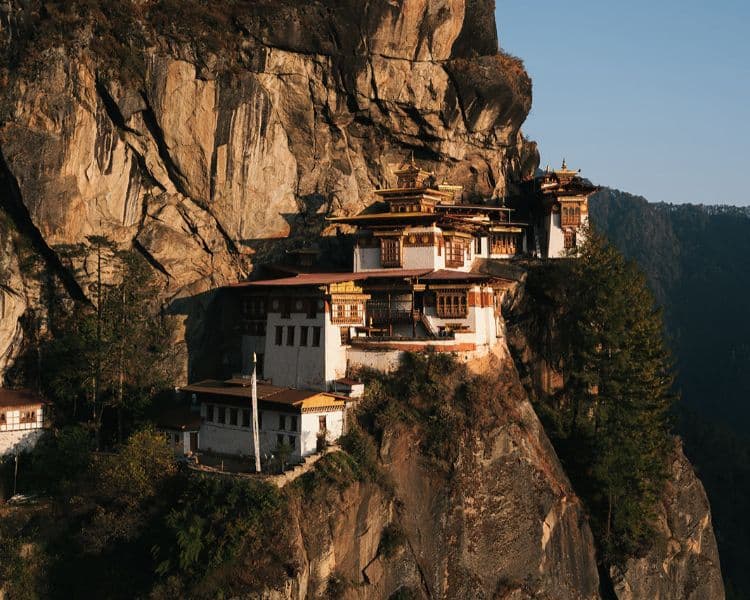
The monastery is seemingly suspended in the air. Moreover, it looks like it is beyond the laws of gravity, challenging fancy. The gorgeous habitation alone is enough to inspire awe. It holds a spiritual heritage. This makes the Tiger’s Nest a holy torch for the people of Bhutan as well as world pilgrims.
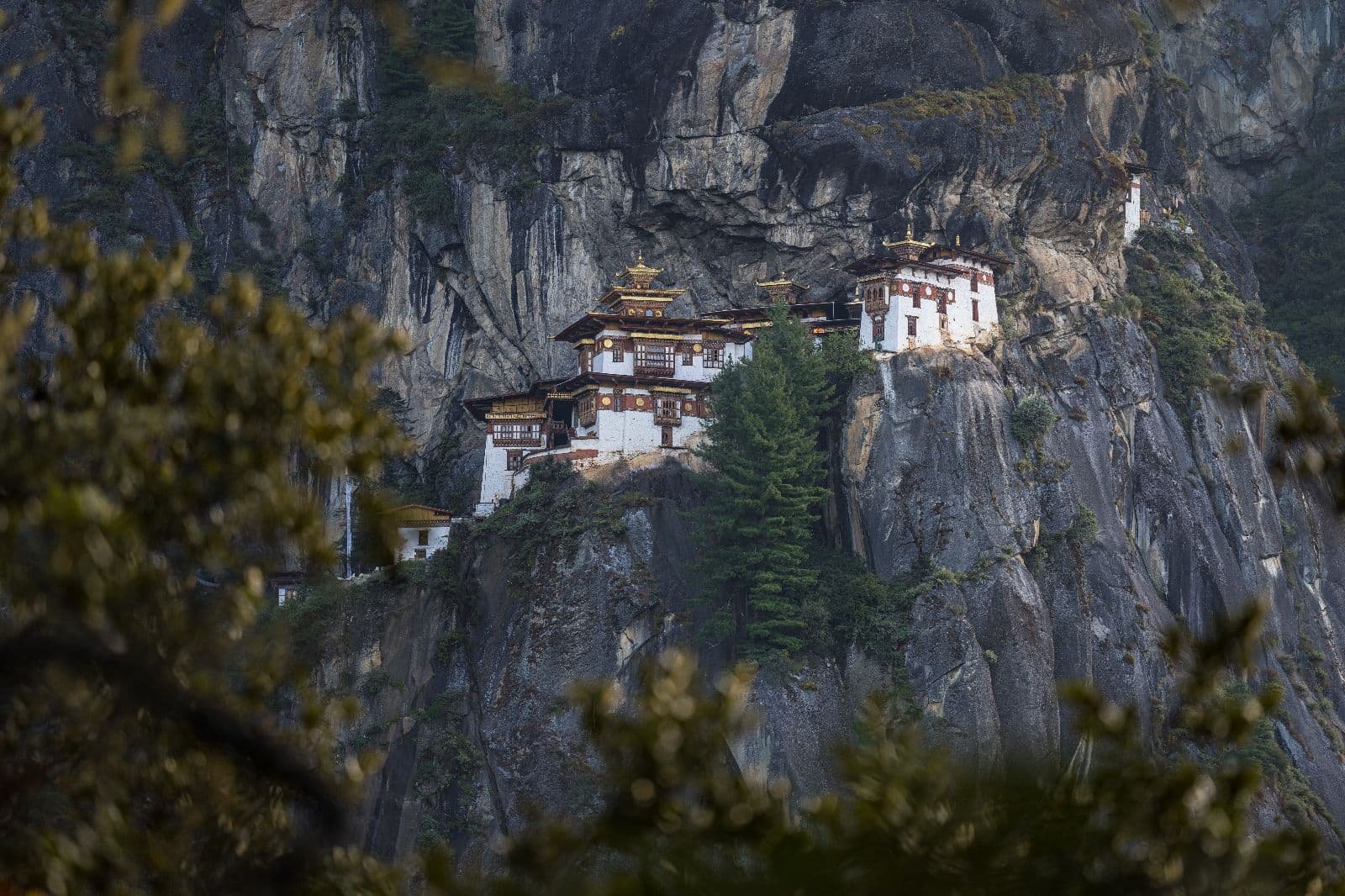
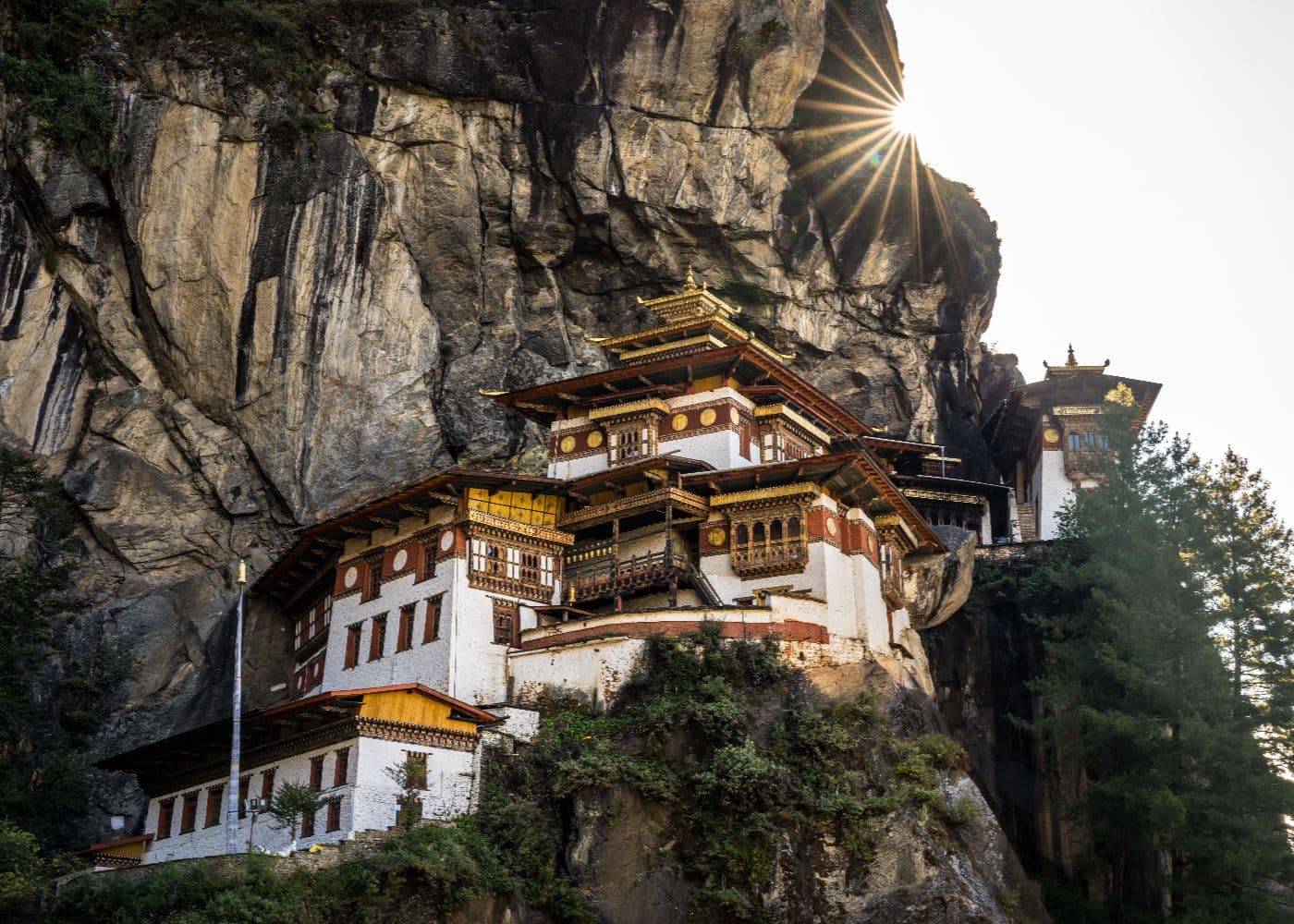
See it once, take a glimpse of it at a distance across the pine-covered slopes. It becomes evident that this is not an ordinary monastery. The Tiger Nest is a mysterious but adored structure. It holds whitewashed walls, golden-roofed temples, and crimson woodwork. Most of all, it is built into the very vertical rock face. The building appears as if it emerged out of the mountain itself. It is a perfect unity of nature and architecture. You can see it as an embodiment of the religious harmony of creation.
Why is Paro Taktsang so Special?
Paro Taktsang is not only the most photographed place in Bhutan. It is also a source of pride, perseverance, and identity as a Bhutanese. It is dedicated to Guru Padmasambhava, the tantric master of the 8th century. It is said that he came here flying on a tigress to tame the evil spirits in Paro. He practiced some meditation in a cave that is currently part of the monastery complex.

Tiger's Nest is one of the mythical events on which the deep spiritual value of the site is based. And all the Bhutanese Culture and People are brought up believing in the legends and teachings related to it. The Tiger Nest hike can be considered a rite of passage for all visitors to Bhutan. It is physically challenging and emotionally fulfilling. Trekkers travel through blue pine, rhododendron, and moving prayer flags.
With every step, they will be higher and higher on the way to the holy cliff. The path is silent and meditative. People have reported the experience as transformative. Even before getting to the monastery itself. The cultural point of view suggests that any person visiting Paro Taktsang has had a permanent immersion in Bhutanese values. One of devotion, harmony with nature, and the search for inner peace.
The trip sets the stage for the national dedication to Gross National Happiness. Here, there is material prosperity and spiritual richness. Along the trail, monks chant in hillside retreats. The fellow pilgrims can be seen silently praying as they ascend. For adventure and trek lovers, the climb to the Tiger's Nest is a special challenge.
What to expect in Paro Taktsang?
Everything has a magical quality in Paro Taktsang. It offers exciting opportunities for photographers as well as culture lovers. You find prayer wheels at the bottom. Following that, climb the steep stone stairs. The incense smoke and the drifting robes as monks pass by. The Paro region also offers Luxury travel in Bhutan.

Within the monastery walls, passageways contain ancient mural paintings. You are greeted by treasured religious relics. Most of all, the stillness that time can never rid itself of. Inside, there are no photos, maintaining some air of mystery and reverence for the sacred.
Regardless of whether you want what you seek, the trek to Tiger's Monastery has it in spades. You'll find a stunning landscape, spiritual enlightenment, or the power of overcoming a steep path. Paro Taktsang can grant you everything at once in one memorable trip.
Buddhist faith and Bhutanese grandeur merge at this point. Be it the literal and metaphorical peak of the country. The trek to the Tiger’s Nest is the high point of any Bhutan itinerary. Moreover, it is also a memory that makes a mark in your heart that never fades as long as you live.
Legends of the Tiger's Nest Monastery
Paro Taktsang, or the Tiger Nest Monastery, dates to as early as the 8th century. It is a time when Guru Padmasambhava, also referred to as Guru Rinpoche, came to Bhutan. Guru Rinpoche is the one who brought Vajrayana Buddhism to the Himalayan region. He is held in great esteem by the people living in Bhutan as the second Buddha.

The monastery is believed to have been a holy meditation camp. It was chosen by Guru Rinpoche along the cliffside. Here, he tamed and rid the region of the demon, bringing prosperity to Buddhism.
Guru Rinpoche, according to legend, flew to the place on the back of a magic tigress. And that is why the monastery gained such an evocative name, the Tiger's Nest. This dramatic flight is an image of spiritual strength and conversion. Later, it became known for the victory of wisdom over fear and lack of understanding.
The cave, in which he meditated, is a sacred place at the monastery complex. It is visited by innumerable pilgrims for blessings and enlightenment.
History of Tiger's Nest Monastery
In the past, the Tiger's Nest Monastery was founded in 1692 by Tenzing Namgyal. The then ruler of Bhutan. He constructed the temple complex surrounding the sacred meditation cave.
This was built to commemorate Guru Rinpoche. Also, it celebrates the place as the center of teaching and practice of Buddhism. Throughout the centuries, the monastery has come through natural catastrophes and fires. It was scrupulously renovated to keep its spiritual and architectural purity.

The Tiger Nest is too spiritual in its meaning of the strength and Buddhist spirit of Bhutan. It is a combination of myth, history, and devotion. It remains an inspiration for the culture and religious life of Bhutan to this day.
Monks live and practice within the walls. They carry out their rituals, prayers, and ceremonies. They receive knowledge from their predecessors. And later pass it down to the next generation. Thus keeping the monastery as a living spiritual sanctuary.
Deep-rooted culture in Tiger's Nest Monastery
Tiger's Nest Monastery offers a wealth of local folklore. They spread the stories of miraculous events. More so, associated with the presence of Guru Rinpoche. They also tell tales of the power of protection of the tigress.
These stories refer to the deep connection between the natural and spiritual worlds. It means how greatly Bhutan values the harmony among people, the animal world, and God. The "Tiger Nest" is not only a historic review but also a living icon of Bhutan's sacred heritage.

A visit to the monastery is a physical climb up the mountain. Yes, the inclusion of the purposeful idea of its legendary origins makes for a more holistic experience for the traveler. It turns the ascent into a pilgrimage of a thousand-year-old faith and legend.
The resonance of the place is so strong that most of the visitors testify to the extremely powerful feeling of awe. Many tell about a connection they felt as they got closer to the sie. Knowing that they are going to walk the same steps as one of the greatest figures in Buddhism.
The history and mythology of Paro Taktsang are in some way a mix of factual and religious beliefs. One with a root in the sheer existence of the monastery in spirituality as well as national pride.
This mixture of mythology and history makes the experience of the visitor unusually rich. The Tiger Nest is not only a magnificent piece of architecture. But it is a long-lasting icon of Bhutanese spiritual heritage. It welcomes everyone who comes to meditate upon the eternal strength of faith and change.
The location of the Tiger’s Nest
Paro Taktasang Monastery is located in the upper Paro Valley. It is in the western region of Bhutan (approximately 12 km away from Paro city). The monastery is constructed on a steep rock 900 meters high. It is above the valley floor, or the valley where the Green Valley is.

It remains visible on one side and the Himalayan Mountains on the other side. This is due to its dramatic setting of Tiger's Nest Monastery. It not only exposes surprise in visitors, but also exposes their spiritual state. The site of spirituality is away from the world.
Visiting the Tiger Nest takes a medium-to-strenuous trek. The monastery is not accessible by a vehicle and has a high elevation of about 3,120 meters (10,240 ft) above sea level.
Path to Tiger's Nest Monastery
The path begins near the Paro River. You then flow from the heavy forest areas of cedar trees. On the way, you walk on rocky paths with flowing prayer flags. It slowly moves to reach the monastery. The trail is smooth and well-maintained. But the hikers must be ready to withstand fast steps and rugged surfaces. Thus, suitable shoes and fitness are necessary.

This is quite difficult to reach. But it is one of the predominant reasons why the Tiger Nest is considered so attractive to visitors. The altitude, natural beauty, and the feeling of remoteness provide a feeling of peace and respect.
As you continue onward, you get a sight of the monastery. The visitors get to see the vast fields, valleys, mountains, and the town of Paro from the monastery. This provides even more spiritual and visual enhancement.
The altitude of Tiger's Nest is also one of the most significant aspects of the pilgrimage. The pilgrims of Tiger's Nest usually face the physical challenges of high altitude. This makes the journey a hike.
The trekkers should maintain their pace. They need to drink water frequently. Well, hydration also helps trekkers acclimatize themselves. They are not subjected to altitude sickness due to the thinness of the air at 3,120 meters.
This is a physical struggle that creates an addition to achievement and awareness. Such an approach to the monastery is not only spiritual but also a personal achievement.
Tiger's Nest Monastery is located in a perfect spot.
Geographically, the monastery site is very strategic and somewhat symbolic. It is located in the Himalayan foothills, where nature and spirituality merge. The holy site is shielded by rough rocks. The view of the forest and the mountains captures the Bhutanese respect for nature. It is also a moving spiritual being. This quiet location highlights the monastery's place. It is a site for meditation, prayer, and communion with God.

The trek to the Paro Taktsang reveals one of the most unique religious places in the world. The beginning of the trail leaves the monastery out of sight. So much so that it makes the hike more suspenseful and impressive when it finally comes into view.
This partial camouflage by nature contributes to the mystique and sanctity. It further enhances the notion that the Tiger's Nest is a secret treasure on the cliff's edge of the world.
Hike to the Tiger's Nest: What You Will Encounter
The trek to Paro Taktsang is approximately 6 kilometers round trip. Or opposite to about 3.7 miles. It commences at the bottom along with the tiny village of Sangchen Gongpa. The trail is not very long, but it takes a lot of altitude (going uphill). It rises about 2,600 meters (8,530 feet) to about 3,120 meters (10,240 feet) at the monastery.

The climb is also somewhat strenuous and involves even footwork. As such, a bit of physical fitness is necessary, as well as acclimatising to high altitudes.
Scenic Rim along the Trail
In your hike, you can see that the path cuts its way through lush pines and rhododendron woodlands. The mountain air hums with the scent of pine needles and incense.
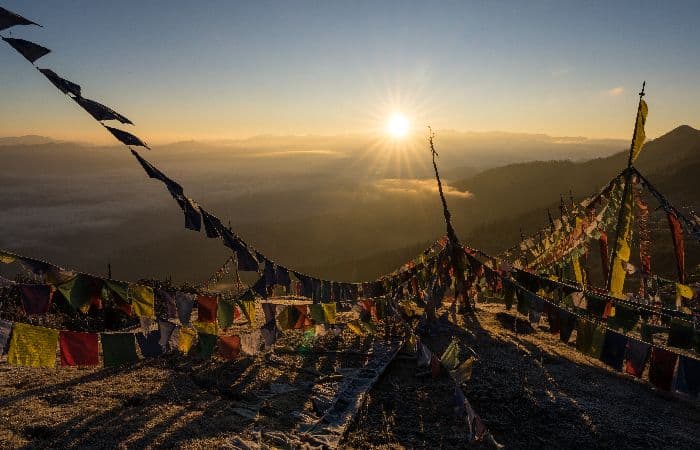
There is the flutter of colorful prayer flags above. And this also forms a contrasting verse of the green canopy and the blue sky. Those natural environments are stunning. It is also charged with spiritual power. It grants the atmosphere to trekkers of calmness and meditation.
Halfway Viewpoint and Rest Stops
Halfway up the winding trail is the beauty of a cafeteria. It sits right at the border of the woods. They offer tea, snacks, and viewing places with panoramic views of the monastery.

This viewpoint enables a hiker to rest and admire the breathtaking views. The monastery is located on a cliff that is surrounded by mountains. There are a lot of visitors who use this chance to capture images of the Tiger's Nest. The famed monastery sits at a distance as they proceed on their way up.
Terrain and Trail Conditions
The trail is in good condition. But it goes through steep stone steps and narrow areas along the cliff. It requires travelers to be careful with where they place their feet and concentrate.
The terrain is rugged and uneven in some places. This makes good-quality hiking shoes necessary. With enough grip to trek safely and comfortably. It is a physically demanding trail. It is accessible to most healthy people of average fitness.
Alternative and Physical Difficulty
An increase in altitude to more than 3,000 meters may cause some of the hikers to feel slight effects. They may show signs of altitude sickness unless they acclimatize. Look out for breathlessness and exhaustion.
You should first learn not to push your body. Take as many breaks as necessary, and hydrate yourself during the climb. The hike is a perfect blend of altitude and slope. And most visitors are left with a feeling of real achievement after the visit.
Culture and Spiritual Experience
On the way, you will see prayer wheels. Find tiny shrines, and sometimes hear chanting or the ringing of bells. Or even see monks training in nearby hermitages.
This trek resembles a pilgrimage more than a hike. Each step offers you a look at the centuries of Bhutanese spirituality and devotion. Most of the hikers will end up taking it easy. They take time to enjoy the calm and prayerful atmosphere around this holy trail.
The arrival at the monastery
The journey to the monastery serves as a truly humbling experience. One ascends towards the elaborate temples that are cut out of the side of the cliff. The interior is a serene place with murals of antiquity and religious artifacts. You smell mild incense vaporized by resident monks.

No photography is allowed indoors. It is to ensure that the sanctity of the location is maintained. It creates a compelling environment where the visitors will be pleased. They get to be immersed in the spiritual atmosphere without interruptions.
The Tiger Nest Hike difficulty and preparation
A hike to Paro Taktsang, or Tiger's Nest Monastery, is rewarding. Yet moderately difficult trek that needs both physical fitness and sensible planning.

Knowing the level of difficulty and training will support the safety of enjoying it. The following are highlights of the hike requirements. A few things all travelers must keep in mind when planning this spiritual experience.
Medium Difficulty Level:
This is a fairly challenging 6-kilometer round-trip trail. It also comes with an elevation gain of around 500 meters. It features vertical paths and stony stairs. Some are unsteady surfaces in places that require strength and special care.
It is not technically hard. But the altitude and the body stress might be challenging. More especially for people not yet used to mountain walks.
Physical fitness requirements:
One would need a fair amount of fitness to enjoy the hike, given the fact that the hike is above 3,000 meters in height. When passing through the steep parts of the trail, stamina and leg muscles are essential. As well as a sense of orientation.
It can be helpful to train in advance with some frequent walking/hiking. Or even simple cardio training.
Altitude Considerations:
The monastery is located at approximately 3,120m above sea level. And there might be minor altitude symptoms. You can face a lack of breath, exhaustion, or a headache in several hikers.
Acclimatization is very important to spend a day or two in Paro at an altitude before proceeding to hike. You can address symptoms of altitude sickness by drinking enough water. And climbers should pace themselves while climbing.
Basic Gear and Clothing:
Before you go on a climb, let's do a quick gear check. The climb needs sturdy hiking shoes. It needs to have good traction, as the ground is rocky and can also be solid in some places.
When hiking during the shoulder seasons, wear several layers and pack a rain jacket. It accommodates different temperatures, a warm morning, and a cooler afternoon. Having trekking poles on an inclined, uneven surface. It can provide some help to the less experienced trekkers.
Hydration and Nutrition:
Bring enough water to keep you hydrated through the hike. There are some refilling points along the way. Energy is also replenished in the climb by using healthy bites such as nuts or energy bars.
Eat light foods before the hike. It prevents the discomfort experienced at high altitudes.
Time and Resting Breaks:
It is preferable to begin early in the morning to beat the crowd. You finish the hike before the weather conditions change in the afternoon. Make frequent rests, sightsee, and learn to get used to the altitude slowly.
Be sensitive to what your body is telling you. Walking at a reasonable speed increases the fun as well as the safety.
Guidance and Safety:
The local guide is not necessary, yet advisable. More so for the first visit. Guides explain the history, culture, and spiritual values of the monastery to visitors.
Guides also help you in navigation and make sure you are not on high-risk paths. Do not ignore the signs, and do not go past safety barriers in areas of cliffs.
In summary, the hike to Tiger's Nest is at a medium fitness level. But one needs to be prepared and to know what to expect. Via pacing, acclimatization, and dressing appropriately, you will take on the hike. It is an extremely rewarding and safe activity.
Advanced planning will open all the mysteries of this legendary pilgrimage. You can concentrate on the beautiful views. Experience the spiritual aura that makes the trip memorable.
Packing list for Tiger’s Nest hike
Good planning for the hike to Paro Taktsang will guarantee a safer trip. You can have a more comfortable and pleasurable experience. The trail is not extremely challenging. But the altitude and varying weather conditions can become a challenge.

The spiritual setting predetermines the necessity of having appropriate gear. And this is a well-planned packing list that is both practical and culture-sensitive.
Good Hiking Shoes:
Wear comfortable strapped shoes or trail running shoes. Make sure that they are well broken in and have a solid grip and ankle support. The ground is hilly. And you go through inconsistent steps and dirt roads, along with some slippery areas.
New or very tight shoes should be avoided. They can create blisters, which make the climb uncomfortable.
Layered Clothing:
High-altitude weather is unpredictable. During the hike, it should be worn in layers. First, a moisture-wicking base, an insulating layer, and a lightweight waterproof jacket.
There are cold starts, and it gets warm during noon, and it can suddenly get cloudy or rainy. The layering helps you accommodate the temperature change. As such, you are neither too hot nor too cold.
Reusable water bottle:
It is very important to keep yourself hydrated. The body can easily get dehydrated without you knowing it as you climb to a high altitude. Take a refillable bottle of at least one liter of water.
You can even carry a hydration pack to drink conveniently. Water fill stations could be scarce, so bring enough water to get through the full hike back.
High-Energy Snacks:
Take some light snacks such as energy bars, nuts, or dried fruit. These maintain your energy without making you feel heavy. Also, without disturbing your digestive system. It is advisable to avoid greasy or heavy foods before or during hiking.
Trekking Poles:
Trekking poles may minimize the load on the knees. More so when climbing a steep hill, and they also serve as support when walking on rough terrain.
They are particularly useful to people with joint problems. Likewise, for those who do not hike regularly. They are of great help to many people when they are walking down.
Sun Protection:
The sun at a higher elevation is intense even during cool weather. Take sunglasses and sunscreen of SPF 30+. A broad-brimmed hat or cap is recommended. During the hike, it is best that you protect your skin and eyes.
Small Daypack:
Put on a light pack to contain your necessities with ease and convenience. Select one that has padded straps. Use pockets to handle quick access to water, snacks, a camera, and extra coverings. The compact size will reduce your load and allow for a balanced hike.
Cash and Identification:
Take a limited supply of local currency in the event that you desire to buy tea or snacks at the halfway café. Do not forget your passport or identity document as well.
Just in case your guide or permit demands the document. It is advisable not to carry lots of money or important items.
Decent Dressing to the Monastery:
A scarf or another cover for the shoulders and arms is recommended to be brought to wear in the monastery. The Bhutanese culture dictates that, in religious places, one is to dress conservatively.
One should therefore avoid sleeveless dresses, skirts, shorts, and revealing clothes. This is better when you are ready to visit, go visiting, and do so in a respectful manner.
Smart packing is not only fun, but it also shows preparation and cultural respect. Be it through weather variation in the mountains. Armed with these essentials, you will be able to take up the physical challenges. You also show appropriate respect for the spiritual setting.
You have a great experience of the most memorable trip to the Tiger Nest. An organized day results in a relaxing experience that you will carry with you after the visit.
Best time to visit Paro Taktsang
The best time to visit Paro Taktsang is in the spring season between March and May. Bhutan's valleys and mountains offer the colors of rhododendrons, magnolias, and wildflower fields.
 Spring is the time when the weather is usually mild and pleasant. You get clear skies, and it gives one a panoramic view of the monastery and the Himalayan peaks. The hiking trail is convenient and safe for the majority of the visitors. The moderate temperatures and reduced rainfall occur during spring.
The other great time to trek to Tiger's Nest is also during the autumn season. It falls between September and November. This is the highest trekking season in Bhutan.
In autumn, there are clear, stable skies. Visitors find a spectacular view of the landscape and fresh mountain air. It is not too cold, and the climate is cool, and the trails are mostly dry. Thus, there are fewer chances of ice-covered paths, and the journey is more enjoyable.
Seasons to Avoid
It is recommended not to visit the place during the monsoon season. It goes from June to August and makes the trail muddy and possibly dangerous. Also, hiking becomes less comfortable in the monsoon. It is very humid, and cloud cover usually prevents the marvelous view of the monastery on the cliffs.
Another season to avoid is winter. The months of December and February are cold. Sometimes the high elevations experience snow. It makes the trail dangerous and icy, particularly for people who are not used to trekking in winter.
Tiger's Nest on a Winter Hike
But the experience at the off-peak times is quite different. It is lonelier and less crowded. And thus, it allows you to connect to the spiritual ambiance of the monastery better.
The weather in December is rather convenient for the properly equipped winter hikers. It may be cool, fresh air, which some people prefer. Also, with the possibility of viewing the monastery with the first real snow.
The most popular and viable seasons, however, are spring and autumn. They guarantee the best weather, safety, and breathtaking scenery at Paro Taktsang.
What hikes in peak season offer
Finally, your schedule must take place during optimal months. It increases your comfort when walking to the Tiger's Nest. It increases your chances of getting close to the beauty and spiritual atmosphere.
You get a treat of vivid natural scenery. It is further enhanced by clear weather conditions. They contribute to making memories that many travelers call life-changing.
Select the most appropriate season. You will experience a memorable and interesting adventure. A journey to one of Bhutan's most sacred sites.
What to Expect on the Tiger's Nest Hike
When you start hiking up to the Tiger's Nest, the first thing that strikes you is the mountain air. It is so fresh and crisp; it energizes all the senses and gives you a preview of how you are going to feel on the way. It begins with an easy inclination that leads deep into the pine forest. Here, shafts of sunlight peek between the trees. Thus, making the trail resemble a serene and even holy ambiance.

As you go along, you come across these prayer flags fluttering in the wind. The striking reds, yellows, and blues symbolize blessings, peace, and safety. It is for all those who may tread along this blessed way. Shortly, magnificent vistas of the Paro Valley unfold. Find views with terraced farms. Village dwellings of traditional Bhutan. Tinted mountain ranges in the distance that appear through the soft morning light.
These are views that prompt you to take detours or catch your breath. So, take photographs or, rather, connect well with the nature around you. Get shifting views of the Tiger's Nest Monastery itself. It changes form, shifting from a silhouette to a cliffside wonder as you climb. It creates anticipation and amazement as you go.
Challenges on the Hike
The higher you gain, the steeper and more rugged the path becomes. It is with stone stairs cut into the mountainside. You require a good footing and all the energy possible. The trail is marked with prayer wheels and small shrines. While you can take pictures on the trail, you cannot take one at the monastery. Even at the entrance, with closed doors, no photography is allowed.
The experience is not a trek to many; it turns out to be their own pilgrimage involving the body and the soul. The visitors also remember the feeling of standing on the edge of the cliff. And here they see one of the holiest spots in Buddhism.
Conclusion: Is the hike to the Tiger's Nest worth it?
The climb to the Tiger's Nest is not an easy one. It requires physical fitness as well as mental guts for all the tourists taking the journey. This, however, is more than compensated for by the spectacular scenery. You find the hefty spiritual ambiance. And yes, the rare chance of engaging with the rich cultural legacy of Bhutan. To most, this journey is either self-fulfillment or an adventure with self-analysis.

There is more to the Tiger's Nest than the physical journey to the destination. It is an emotional and spiritual experience that does not fade after the journey is done. It offers natural beauty, coupled with holy settings and historical value. This offers a feeling of calm and achievement that is hard to beat in other destinations.
People visiting the monastery usually call it a life-changing experience. The grandeur of the Himalayan mountains intersects with the intensity of human spirituality.
Besides, the trek symbolizes the country itself. Harmony with nature, spirituality, and cultural pride. The Tiger Nest is more than a tourist site. It is a living legacy of faith and endurance. It leads every voyager to stop, inhale, and enjoy life with a greater understanding. That is why the Tiger Nest is definitely worth every foot. Every breath. And every minute walking the trail.
FAQs
What is the duration of hiking to the Tiger Nest Monastery?
Hiking: The average round-trip hike is approximately 4 to 6 hours with time to visit the monastery and rest midway. The speed will be according to your fitness, acclimatisation, and time of pictures or breaks.
Is Paro Taktsang a challenge to hike?
The trek is a moderate-level one. It is a gradual ascent, some stone steps, and above sea level, but a majority of healthy adults can hike it following preparation and by taking their time.
Is the Tiger Nest monastery open to all?
Yes, both the Bhutanese and foreigners are allowed to travel, but non-Bhutanese travellers must have a permit from a licensed guide as per the tourism policy in Bhutan. You usually have the entrance fees added to your tour package.
When is the best time of the day to hike?
It is best to begin as early as possible, around 7:00-8:00 AM, to avoid the crowd and have a clearer day. Morning sun also provides optimal photography and cooler weather.
Is a permit required to visit the Tiger Nest?
Yes, you have to obtain a permit, which is normally handled by your registered tour company along with the Bhutan travel package. Bhutan does not allow tourists to travel independently.
How safe is hiking alone?
Although it is an easy and well-traveled path, any foreign tourist is required to hike with a guide because Bhutan regulations regulate tourism. Guides also offer information on the culture and keep you safe during the trek.
What do I wear on the hike?
Make sure you are wearing comfortable clothes to hike in layers, and be sure to pack a rain jacket, and solar protecting clothing, and modest attire that you wear when visiting the monastery. A pair of good-gripped shoes is a necessity.
Is there a place to eat or rest along the way?
Yes, you can have a mid-way cafeteria which has tea, snacks, and a very good viewpoint of the monastery. It is a famous place to rest after continuing the last climb.
Are horses available partway through the hike?
At halfway up, it is possible to hire horses as far as the monastery, though horses cannot travel the whole way. A high percentage of tourists love walking down, but upwards; horses can be used in case you are concerned about the ascent up.
Am I allowed to take photos in the monastery?
No photographing is permitted within the monastery buildings. This is a strict rule because the site is sacred.
What are the religious practices I should know?
Take off your footwear when going into the temples. Be modest in the way you dress, and do not talk loudly. Remember to go around anything religious in either the clockwise direction and never point your feet in the direction of shrines and statues.
What do I need to do to deal with the altitude?
Take a day or two to acclimatize before the hike in Paro and go steadily at your own pace on the walk. Managing altitude is also done through hydration and alcohol avoidance the night before.