Rupina La Pass Trekking
Download Itinerary

Share with your friends
Trip Information

17 days

Rupina La Pass 4610

Difficult

Kathmandu

Kathmandu

Trekking


Trip Highlights
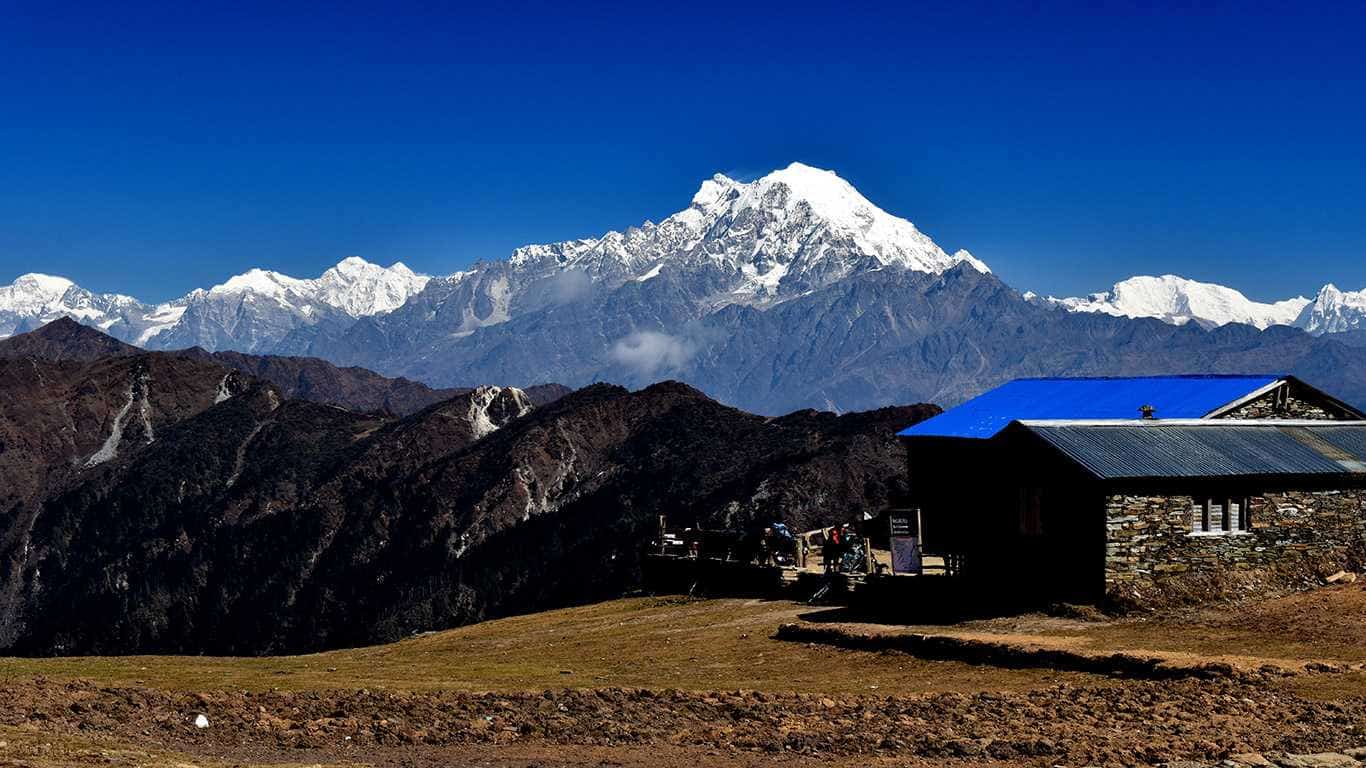
Offers stunning views of Mt. Manaslu, Himal Chuli, Peak 29, Boudha Himal, Langtang, and Ganesh Himal ranges.
Rich cultural and historical significance tied to Gaje Ghale, the first Nepali Victoria Cross recipient.
Less crowded trail due to its difficulty and isolation, providing a serene trekking experience.
Trek route includes Barpak, Rupina La Phedi, Philim, Dovan, Machha Khola, Soti Khola, and Arughat.
Scenic drive from Kathmandu to Gorkha, passing green farmlands, waterfalls, and traditional Nepalese villages.
Ideal for mountaineering enthusiasts and those seeking a mix of natural beauty and cultural exploration.
Post-earthquake resilience and promotion of tourism in the region.
Combines rugged mountain landscapes, lush valleys, and dense forests.
Rupina La Pass Trekking Overview
Rupina La Pass Trek is one of the exhilarating trekking routes in the Manaslu region. It lies at an altitude of 4610 meters above sea level and falls in the lower region of the Gorkha District. It is one of the most difficult passes to cross, even though it is not at a very high altitude.
Thus, this might be the reason that there are not many trekkers on this trail. The trekking route was officially opened in 1991. This trekking area is not as popular as others, but equally beautiful as other trekking destinations.
Due to its isolation and lesser popularity, we can see a very small number of trekkers throughout the route. This trek is a mixture of geographic wonders as well as cultural richness.
The Rupina La Pass Trek circumnavigates Mt. Manaslu (8163m), Himal Chuli (7893m), Peak 29 (7871m), Boudha Himal (6672m), the Langtang Himal Ranges, and the Ganesh Himal Ranges. This route was one of the renowned destinations before the new trekking trails were introduced.
Why is Rupina La Pass Famous?
Rupina La Pass carries the long history of Nepal, especially the Gaje Ghale and his generations.
Some might be confused about the name of Gaje Ghale. He is the first Nepali to get the Victoria Cross (VC) because of his courage.
This place has a history of more than a decade because of its natural beauty, culture, and the hospitality of the local people.
Devastating Earthquake of April 2015
Unfortunately, on 25th April 2015, Nepal was hit by a massive 7.9 magnitude earthquake with the following aftershocks. The epicenter was Barpak. But, on the contrary, the natural beauty and culture, as well as the hospitality of the people, are still the same.
Although earthquakes demolish the houses and property, the courage, teamwork, and strength of the people are still intact.
Above all, they are promoting tourism in this sector. This place is most suitable for mountaineering expeditions.
What Rupina La Pass Trekking Offers
We can see the beautiful snow-capped mountains throughout the trek. It not only offers the best of the mountains but also gives us an amazing view of the verdant valley and lush green forests.
The commencing point of this trek is Gorkha, which is a 6-7-hour drive from Kathmandu. Along the way, you will cross several green farmlands and the gloriously gushing waterfalls.
A few other attractions on the way are the distinctively styled houses showing the typical Nepalese culture around that region.
Rupina La Pass Trekking Route
The route goes through Barpak, Rupinala Phedi, Philim, Dovan, Machha Khola, Soti Khola, and Arughat, and back to Kathmandu.
Generally, the best season to trek in this region is from March to May and from September to November.
Best Season to Travel Rupina La Pass
The best season for the Rupina La Pass trek is during spring and autumn. They are the prime time for treks in Nepal as a whole.
Autumn starts in September and ends in November. It is in this season that you get crystal-clear views of the peaks. Manaslu and Himal Chuli look their sharpest during the fall. Also, it is the safest time to cross the steep pass.
Spring is ideal for nature enthusiasts. As the lower Gorkha valley turns lush with colors. Rhododendrons and other wildflowers bloom in spectacular colors.
Season to avoid Rupina La Pass
Trekkers are highly discouraged from trying Rupina La Pass during winter. Although Rupina La holds a lower elevation, it is notoriously steep. Even in prime seasons, it is a technical terrain. Heavy snow makes the pass impassable and deadly.
Summer/monsoon Barpak receives heavy rainfall. The trails become slippery and infested with leeches. The region becomes hazardous with flash floods. As such, avoiding the Rupina La Pass during summer/monsoon is recommended.
Rupina La Pass Trek Difficulty
Even with the low elevation of 4,610 meters, Rupina La Pass counts as a difficult trek. What’s more, it is one of the most difficult passes of the Manaslu region.
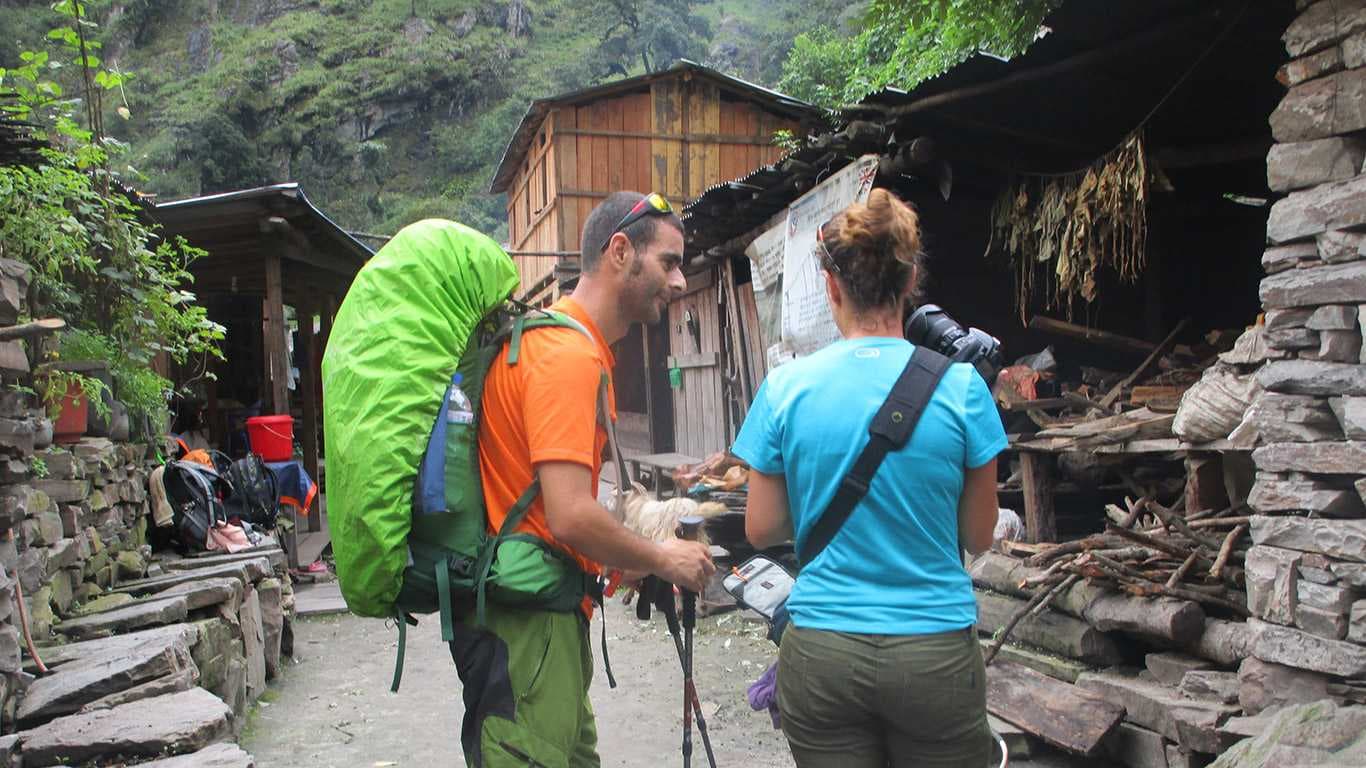
It’s mostly due to the isolation, terrain, and physical demand. Rupina La Pass takes you through a route with little to no tourist infrastructure. This is a full-on camping trek.
The path throughout the journey is steep. You go through vertical ascents and descents. Moreover, you walk on narrow and untracked ridges.
The Rupina La Pass trek circles some of the highest peaks. As such, it demands a high physical stamina. Also, only trekkers with past experiences of high-altitude treks are recommended to take Rupina La Pass.
Permits for Rupina La Pass
You need four mandatory permits to trek the Rupina La Pass. And they are:
Manaslu Restricted Area Permit (RAP)
Manaslu Conservation Area Permit (MCAP)
Annapurna Conservation Area Permit (ACAP)
Trekkers' Information Management System (TIMS Card)
Note: The cost for these permits is included in the package.
Why Choose Us for Rupina La Pass?
Himalayan Trekkers offers you a specialized camping team and veteran guides. Thus, we ensure that even in isolated routes, you experience Nepal’s hospitality.
Contact us now through WhatsApp or via Email to book your next trek. Feel free to reach out to us for any queries about this trek or any of our packages.
Itinerary Detail
Departure Dates
What is Included / Not Included
- TIMS
- Permit
- Entry Fees
- Airport Pick-up and Drop-off
- Transportation as per the itinerary
- Guide, Driver, and Porter
- Meals (Breakfast, Lunch, & Dinner) as per the itinerary
- Accommodation as per the itinerary
- First-Aid Kit
- Welcome/Farewell Dinner
- All applicable taxes and official expenses
Accommodation
Himalayan Trekkers promises to manage the best, most comfortable, and preferred accommodation. Generally, in cities like Kathmandu, we arrange basic three-star facilities. If available, you can opt for a more budget-friendly option or upgrade to a more luxurious hotel by paying a little extra.
Although not all the places might have all the modern facilities, we will make sure to arrange safe and comfortable accommodation. In general, hygienic and safe tea houses/local lodges/ home-stays with all the basic facilities are arranged. But you can, if possible, personalize according to your preference.
If your itinerary includes camping or you choose to experience camping during your travel, a proper camping site will be pre-decided. If required, we also provide the basic equipment, which is refundable. Please check the Gear-List for more information.
Meals
Breakfast is usually included with your B&B Accommodation within the cost that is evident. For other meals in the city, you would have to pay separately. Often in the cities, you can choose from many different cuisines and varied food services. We can always help you find the right place to fit your taste.
In more remote areas, usually, there are not many options. But you can always find hygienic and well-prepared food. Moreover, almost all the meals during the trek are included in the cost. We can help you make changes according to your preference and budget, but only if choices are available!
On top of that, Himalayan Trekkers also organizes Welcome or Farewell Dinners as a symbol of warm greetings. Please go through the detailed itinerary for more information. We are always there to help you travel to your heart’s content.