
Pisang Peak Climbing
Download Itinerary

Share with your friends
Trip Information

19 days

Pisang Peak 6091

Difficult

Kathmandu

Kathmandu

Mountain Expedition


Trip Highlights
Grand views of the mountain ranges like Annapurna II, III, and IV, Gangapurna, Glacier Dome, Dhaulagiri, and Tilicho Peak
Typical Nepal trekking off the beaten track north of Annapurna
Trekking to the popular Annapurna region
The sacred temple of Hindus and Buddhists, Muktinath
Splendid landscapes, serene forests, and mesmerizing plateaus on the route
Pisang Peak Climbing Overview
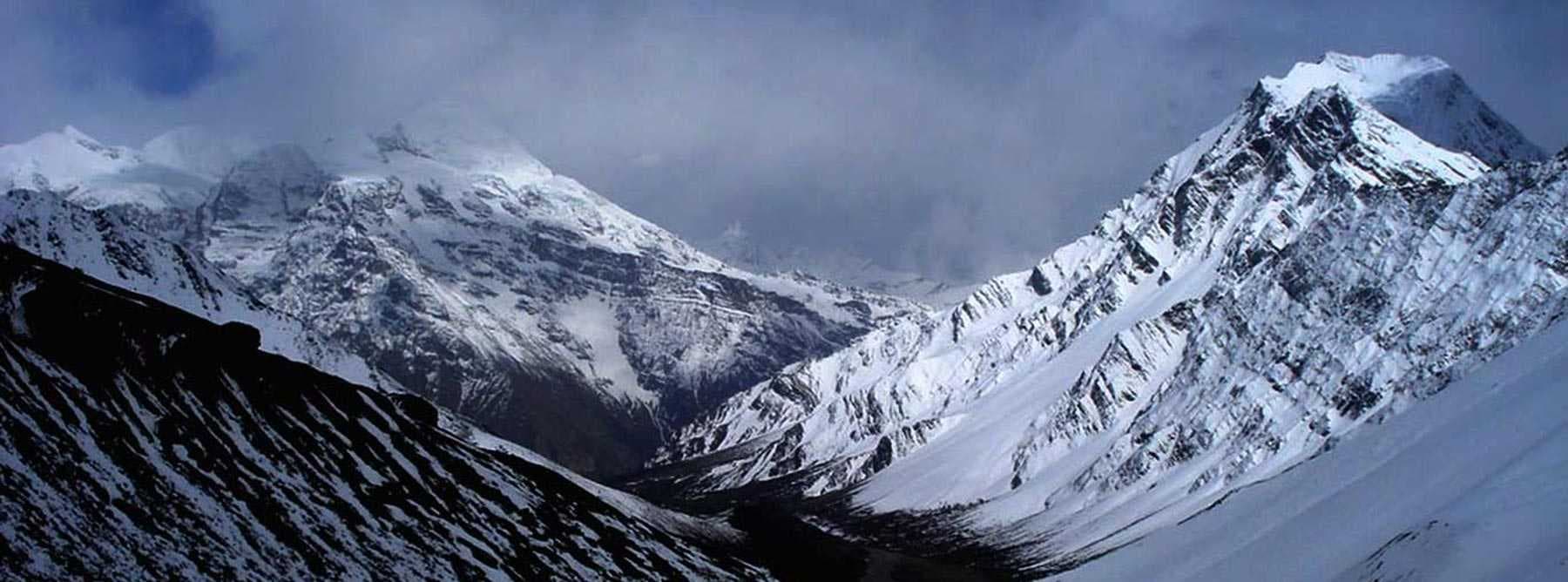
Pisang Peak is located in the center of the Annapurna mountain range in the center of Pasang village. Pisang Peak is one of the most technical and attractive climbing peaks in the Annapurna region. Pisang Peak Expedition has majestic landscapes, serene forests, and fascinating plateaus.
The climbing is relatively easy and also popular due to its immense fame. The peak offers a close-up view of Mt. Annapurna with a challenging climb and allows climbers to explore the highest passes in the world.
Pisang Peak altitude and route
Our journey begins at Chamje, the same route that follows the Annapurna Circuit. A 5-day trek will lead us to the destination town. Pisang Peak high camp is built at an elevation of 5,400 m. You will find it on the shoulder of the southwest ridge.
This ridge will guide us to the last snow slope. The Pisang Peak offers a steep and somewhat difficult climb before finally reaching the top. Climbers summit the peak at an altitude of 6,091 m.
Tilicho Peak view trek is wonderful and offers great panoramas. The vistas include Tilicho Peak, Annapurna II and IV, Gangapurna, and Glacier Dome. The furthest ends of the horizon are filled with snow-capped mountains.
After the ascent, the descent continues along the same route. It continues to the Manang Valley trekking and reaches Thorong Pedi. Then, we cross the Throng La pass to reach Muktinath, another jewel of the Annapurna region.
The next day, the trek is followed by a descent to Jomsom. We then follow the Jomsom Pokhara flight trekking route. After a 20-minute flight to Pokhara, we move to our journey's end in Kathmandu.
Peak Climbing Highlights
Grand views of the mountain ranges like Annapurna II, III, and IV, Gangapurna, Glacier Dome, Dhaulagiri, and Tilicho Peak
Typical Nepal trekking off the beaten track north of Annapurna
Trekking to the popular Annapurna region
The sacred temple of Hindus and Buddhists, Muktinath
Splendid landscapes, serene forests, and mesmerizing plateaus on the route
Itinerary Detail
Pisang Peak Climbing Packing List
 General
Backpack (40-50L for summit day)
Duffel bag (carried by porter/yak)
Sleeping bag (rated to -20°C or lower)
Sleeping pad (for extra insulation)
Headlamp with extra batteries
Sunglasses (category 4, glacier glasses)
Water bottles (2x 1L) or hydration bladder
Thermos (optional but useful at high camp)
Water purification (tablets or filter)
Trekking poles (collapsible)
Personal toiletries (toothbrush, toothpaste, wet wipes, etc.)
Sunscreen (SPF 50+)
Lip balm with SPF
Personal first aid kit
Snacks (energy bars, gels, trail mix)
High-altitude medications (Diamox, ibuprofen, etc.)
Passport and permits (TIMS, climbing permit, etc.)
Camera or phone with charger/power bank
Dry sacks or waterproof stuff sacks
 Upper Body
Sun hat or cap
Buff or neck gaiter
Warm hat (fleece or wool)
Balaclava (for summit night)
Lightweight base layer (synthetic or merino)
Mid-weight fleece or softshell jacket
Insulated jacket (down or synthetic, for cold evenings)
Heavy-duty down jacket (for summit push)
 Torso
Torso
Short-sleeve trekking shirts (2-3, moisture-wicking)
Long-sleeve trekking shirts (2)
Lightweight fleece or merino base layer (1-2)
Insulated vest (optional)
Hardshell jacket (waterproof/windproof with hood)
 Lower Body
Trekking pants (2)
Thermal base layers (2 pairs, merino or synthetic)
Softshell pants (for cold days)
Hardshell pants (windproof and waterproof)
Insulated pants (for summit night)
Shorts (optional for lower altitudes)
 Hands
Hands
Lightweight liner gloves (fleece or synthetic)
Windproof gloves
Insulated mittens or gloves (for high camp/summit)
Extra pair of gloves (backup)
 Feet
Feet
Trekking socks (4-5 pairs, wool or synthetic)
Thermal mountaineering socks (2 pairs)
Trekking boots (well broken-in, waterproof)
Mountaineering boots (double-layer for summit)
Camp shoes (Crocs or sandals)
Gaiters (for snow and scree protection)
 Undergarments
Moisture-wicking underwear (4-5 pairs)
Thermal underwear (2 sets, for sleep and summit)
Departure Dates
What is Included / Not Included
- All airport transfers as per itinerary
- Accommodation with daily breakfast in Kathmandu as per itinerary
- All Guesthouse, Lodge/tented Accommodation during the Trek and Climb
- All meals (Breakfast, Lunches & Dinner with Tea/Coffee) During the Trek & Climbing
- Guided Sightseeing with all applicable entrance fees as per itinerary in Kathmandu
- All Private transfer to Beshisahar/Chyamche & from Pokhara to KTM ( as per weather condition) as per itinerary
- Domestic (Jomsom – Pokhara) Airfare and taxes as per itinerary
- An Experienced GOVT licensed Trekking/Climbing Guide & required No. of Sherpa Porters
- All wages, allowances, insurance, medical and equipment for supporting crew
- Annapurna Conservation Fees
- TIMS fees & Local Province (Municipality/Village) Fees
- Peak Climbing fees (Royalty)
- Climbing & Camping Equipment as per itinerary/necessary
- Garbage fees / a comprehensive medical kit
- Welcome/Farewell Dinner
- All GOVT local taxes
Additional Information
Alternative Option from Day 17 to complete Full Annapurna Circuit:
Day 17: Trek to Marpha (2667m)
Day 18: Trek to Ghasa (2013m)
Day 19: Trek to Tatopani (1189 m)
Day 20: A rest day in Tatopani
Day 21: Trek to Beni (1050m)
Day 22: Fly / Drive from to Kathmandu
Day 23: Rest Day
Day 24: Full Day sightseeing of Kathmandu valley
Day 25: Final departure
Accommodation
Himalayan Trekkers promises to manage the best, most comfortable, and preferred accommodation. Generally, in cities like Kathmandu and Pokhara, we arrange basic three-star facilities. If available, you can opt for a more budget-friendly option or upgrade to a more luxurious hotel by paying a little extra.
Although not all the places might have all the modern facilities, we will make sure to arrange safe and comfortable accommodation. In general, hygienic and safe tea houses/local lodges/ home-stays with all the basic facilities are arranged. But you can, if possible, personalize according to your preference.
If your itinerary includes camping or you choose to experience camping during your travel, a proper camping site will be pre-decided. If required, we also provide the basic equipment, which is refundable. Please check the Gear-List and Requirement List for more information.
Meals
Breakfast is usually included with your B&B Accommodation within the cost that is evident. For other meals in the city, you would have to pay separately. Often in the cities, you can choose from many different cuisines and varied food services. We can always help you find the right place to fit your taste.
In more remote areas, usually, there are not many options. But you can always find hygienic and well-prepared food. Moreover, all the meals during the trek are included in the cost. We can help you make changes according to your preference and budget, but only if choices are available!
On top of that, Himalayan Trekkers also organizes Welcome or Farewell Dinners as a symbol of warm greetings. Please go through the detailed itinerary for more information.