
Naya Kanga Peak Climbing
Download Itinerary

Share with your friends
Trip Information

16 days

Naya Kanga High Camp 4960

Very Strenous

Kathmandu

Kathmandu

Peak Climbing


Trip Highlights
Summit Naya Kanga Peak (5,844m),
Climb a challenging yet accessible climb in the Langtang Range
Trek through the Helambu Region with lush rhododendron, fir, blue pine, and birch forests
Spot alpine wildlife, including red pandas, musk deer, Himalayan black bears, and langur monkeys
Experience the culture of the Tamang community living in the valley
Enjoy breathtaking panoramic views of Langtang Lirung, Lenpo Gang, Dorje Lakpa, and Shishapangma
Ideal for new climbers seeking a high-altitude mountaineering experience in Nepal
Naya Kanga Peak Climbing Overview
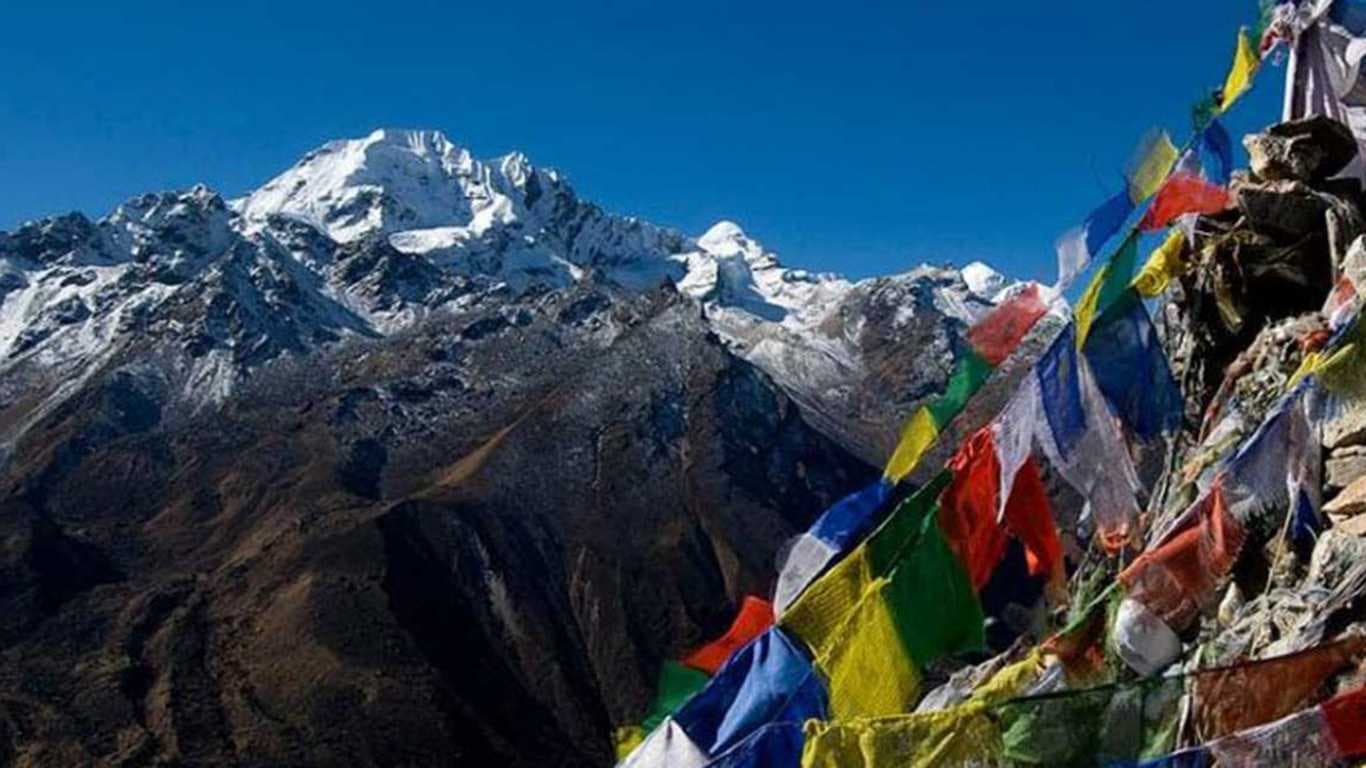
Naya Kanga Peak, also known as Ganjala Chuli, lies in the Langtang Range, west of Ganja La Pass (5,122m) at an elevation of 5,844m. The peak is famous among climbers for its difficult mountain climbing. The usual route of climbing is a trek through the Helambu Region to ascend through the snow-covered northeast ridge.
This is a perfect example of a site with easy access, but a challenging mountainous climb, covered with snow. This challenge makes the Langtang region of the climb a perfect destination for the mountaineers.
This is 16-days 15-nights journey, and it could be an interesting peak for new climbers to test their trekking skills. The expedition is perfect for those who want to gain some experience in mountaineering with a straightforward path, but with a challenging difficulty. The Naya Kanga Peak has its sheer beauty and magnificence for all the aspirants throughout the world. It is highly attracted by nature lovers throughout the world. The forest areas are quite famous for their alpine plants. The locals living in the valley belong to the Tamang Community of Tibetan origin.
The trekking trail has healthy forests of rhododendron, fir, blue and chir pine, and birch. The alpine wildlife, such as leopard, musk deer, Himalayan black bear, rhesus and langur monkeys, and the endangered red panda can be encountered on the trail during the trek. The most important reward of climbing Naya Kang is the stunning view of Langtang Lirung (7,246m), Lenpo Gang (7,083m), Dorje Lakpa (6,990m), and mighty Shishapangma (8,027m) on the Tibetan side.
Itinerary Detail
Departure Dates
What is Included / Not Included
- Permits and entry fess
- Airport Pick-up and Drop off
- Accommodation as per the itinerary
- Transportation as per itinerary
- Meals as per the itinerary
- Guide, Driver, and Porter
- Welcome/Farewell Dinner
- All applicable taxes and surcharges
Accommodation
Himalayan Trekkers promises to manage the best, most comfortable, and preferred accommodation. Generally, in cities like Kathmandu, we arrange basic three-star facilities. If available, you can opt for a more budget-friendly option or upgrade to a more luxurious hotel by paying a little extra.
Although not all the places might have all the modern facilities, we will make sure to arrange safe and comfortable accommodation. In general, hygienic and safe tea houses/local lodges/home-stays with all the basic facilities are arranged. But you can, if possible, personalize according to your preference.
If your itinerary includes camping, a proper camping site will be pre-decided. If required, we also provide the basic equipment, which is refundable. Please check the Gear-List and Requirement List for more information.
Meals
Breakfast is usually included with your B&B Accommodation within the cost that is evident. All meals during the trek are included in the cost. For other meals in the city, you would have to pay separately. Often in the cities, you can choose from many different cuisines and varied food services.
In more remote areas, usually, there are not many options. But you can always find hygienic and well-prepared food. On top of that, Himalayan Trekkers also organizes Welcome or Farewell Dinners as a symbol of warm greetings.
Please go through the detailed itinerary for more information. We are always there to help you travel to your heart’s content.