Tsum Valley Trek

Download Itinerary

Share with your friends
Trip Information

21 days

3700m (Mu Gompa)

Moderate

Kathmandu

Kathmandu

Trekking


Trip Highlights
Off-track & precious region of Nepal
It is also known as Beyul Kyimolung
Experience Tibetan Buddhist culture
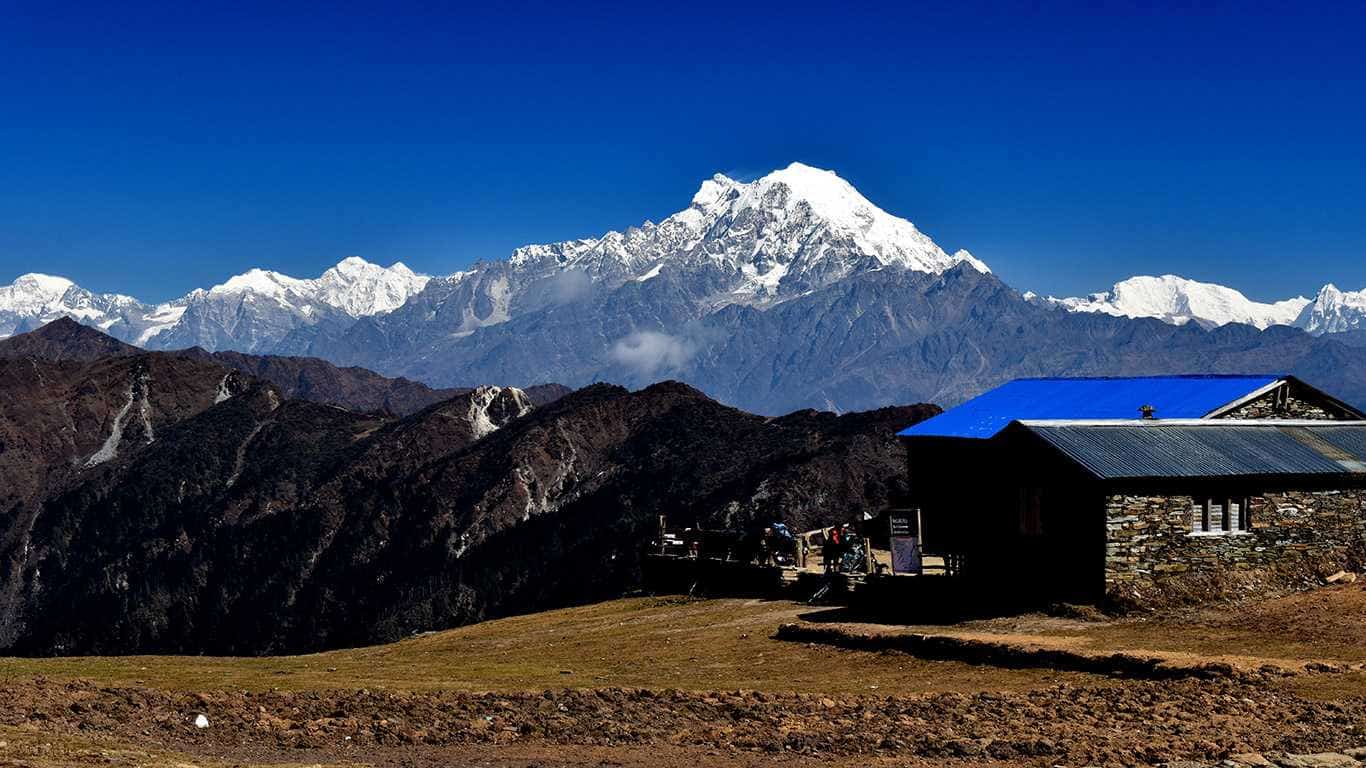
Magnificent view of Ganesh Himal and cousins
The trekking trail opened in 2008, so, relatively new
Most of the parts of this village are unexplored & untouched
A very different & unique trekking experience and much more.
Tsum Valley Trek Overview
Tsum Valley Trek is one of the best off-track locations in the northern part of the Gorkha district. The valley is also named "Beyul Kyimolung", the sacred region of pleasure. The literal meaning of Tsum is bright and derived from the Tibetan word “Tsombo”.
Tsum Valley trek offers magnificent views of the ranges of the Boudha Himal, Ganesh Himal, and Sringi Himal at the top of the valley, and lush green dense forest and beautiful scenery.
This valley is prosperous with its art, tradition, hospitality, and religion. This entire region is famous for its panoramic beauty and especially Tibetan Buddhist culture.
Tsum Valley Trek Route
Our journey to the Tsum Valley starts from Arughat and ends at Beshisahar. You reach the Tsum Valley, passing the gorgeous pine and rhododendron forests and rivers. While preceding the valley, you will also unlock a stunning small Tibetan village.
Since the valley is heavily inspired by Tibetan Buddhist culture, locals here have their own spoken language and tradition. One of the attractions of this place is a beautiful and sacred cave named Milarepa Piren Phu Cave (Pigeon Cave) in Burji village. It is located very distinctly at the foot of the rocky cliff, which is truly amazing.
Since the valley is located very remotely, most of its parts are still unexplored and untouched. Thus, this region still has so much to give a traveler a unique experience.
Tsum Valley Trek Highlights
Off-track & precious region of Nepal
Also known as Beyul Kyimolung
Experience Tibetan Buddhist culture
Magnificent view of Ganesh Himal and cousins
The trekking trail opened in 2008, so, relatively new
Most of the parts of this village are unexplored & untouched
A very different & unique trekking experience and much more.
Best Season for Tsum Valley Trek
The best seasons to trek in Tsum Valley are during Autumn and Spring. Furthermore, each season offers a different experience for the trekkers. One offers an enchanting trail, and the other offers the best mountain views.
Autumn, September to November
Autumn is the season when trekkers get the grand view of the mountains. As a result, fall is the most popular trekking time of the year. Post-monsoon offers the clearest view of the Ganesh Himal and Sringi Himal.
The season also has the perfect temperatures for trekking and hiking. The days remain rather warm and not too hot, while the nights are chilly but not freezing. You trek through the Tsum Valley with clear blue skies, best for photography
Spring, March to May
Spring offers an enchanting path through nature. Trekker on the Tsum Valley walk through gorgeous pine and rhododendron forest. The colors of life bloom in the region, making the forest feel alive.
The weather becomes warm as life returns to nature. The chance of seeing local wildlife heightens as the snow melts.
Seasons to Avoid Tsum Valley
Winter and summer/monsoon are the two seasons we recommend not trekking in Tsum Valley. The Tsum Valley doesn’t reach the extreme altitudes of Larkya La. The region still becomes bitterly cold.
The winter brings heavy snowfall, thus blocking the trails to monasteries, like Mu Gompa. Furthermore, due to the harsh cold temperatures, most families migrate to lower elevations. As such, many of the accommodations remain closed during this season.
Next, we have the summer/monsoon season. We follow the route from Arughat to the Budhi Gandaki River. This portion becomes prone to landslides and floods in the monsoon.
During the rainy season, the trails turns slipper and hard to travel. Moreover, the area becomes infested with leeches and insects. Thus, this makes the trek a lot less enjoyable.
Tsum Valley Trek Difficulty
We rate the Tsum Valley trek moderate difficulty. The trekking days for it are around 12 to 18 days. The journey takes us through steep, rugged terrain. But thankfully, we do not cross 5,000+ meter passes like in the Manaslu Circuit. The journey does take us up and down multiple hills. This can be strenuous to the knees.
The other aspect of the trip is it’s remote conditions. It is a fairly new trekking destination. The Tsum Valley trail was opened in 2008. As such, the region is still developing, so the trekkers will find simpler homestays and basic teahouses. The Everest and Annapurna regions have the most developed infrastructure.
Permits For Tsum Valley Trek
Tsum Valley shares a border with Tibet. Hence, the region falls under the Restricted Area list. You are not allowed to trek solo, so you need to follow the rule of two. Furthermore, you also need to be accompanied by a licensed guide. So, you need two trekkers and one guide.
Tsum Valley Restricted Area Permit
Peak Season: $40 USD for the first week. $7 USD per additional day after the first week.
Off-Season: $30 USD for the first week. $7 USD per additional day after the first week.
Manaslu Conservation Area Permit (MCAP)
The permit costs NPR 3,000 and around $23 USD.
TIMS Card:
Mandatory for all trekkers in Nepal. Issued through the government-authorized trekking agencies or the Nepal Tourism Board.
Note:
The package includes the prices of all the permits listed above.
Why choose Himalayan Trekkers for Tsum Valley?
We, Himalayan Trekkers, handle the complex RAP permit on your behalf. Similarly, we arrange a trekking buddy if you are going solo, ensuring the "group of two" requirements are met seamlessly.
We have over 20 years of experience in the trekking industry. From our long-running experience, we can build you the perfect itinerary that suits your taste. Furthermore, we prioritize sustainable and eco-friendly treks. Also, we are ensuring your visit directly benefits the families of these remote, untouched villages.
We work with seasoned guides with years and years of experience. Hence, we can assure your safety during this trip. Moreover, our guides understand the significance of the Milarepa Cave and the unique Tibetan dialects of the valley. They can provide you with a deeper connection to the "Beyul Kyimolung."
So, why wait for the perfect opportunity? Contact us today to create an opportunity for an excellent Himalayan journey. Reach us on WhatsApp or via email. Our talented team will help you design the perfect trip.
Itinerary Detail
Departure Dates
What is Included / Not Included
- TIMS
- Permit
- Entry Fees
- Airport Pick-up and Drop-off
- Transportation as per itinerary
- Guide, Driver, and Porter
- Meals (Breakfast, Lunch, and Dinner with Tea) as per the itinerary
- Accommodation as per the itinerary
- First-Aid Kit
- Welcome/Farewell Dinner
- All Taxes & official expenses
Accommodation
Himalayan Trekkers’ standard choice of accommodations in cities like Kathmandu is 3-star standard category hotels/resorts on a twin/double sharing basis. However, you can upgrade the hotel standard and room supplements as per your interest and budget.
But for the lodgings in the trekking regions in Nepal, you will have no other choice but to spend the nights at the available trekking lodges and tea houses with basic services.
The rooms will be on a twin-twin-sharing basis with minimal furniture, and the bathroom will be traditional and communal. Few lodges and guesthouses in the lower region have private bathrooms and hot shower services, but as you climb higher and higher, the services become more limited. Similarly, your accommodations during the Tsum Valley Trek will be basic teahouses.
Meals During the Tsum Valley Trek
Except for the lunches and dinners in Kathmandu, we provide every meal (breakfast, lunch, dinner) for the rest of the Tsum Valley Trek. As the Tsum Valley remains an uncharted and extremely isolated region, along with the very basic accommodations, the meals will also be limited.
You can eat anything available on the menu at the teahouses. Regional dishes such as Dal Bhat (rice, vegetable curry, lentil soup), fried rice, momo (dumplings), Thukpa (noodle soup, potato items, egg items, porridge, chapatti, Tibetan bread, etc. are the most popular dishes in the Tsum Valley Route.